
Introduction
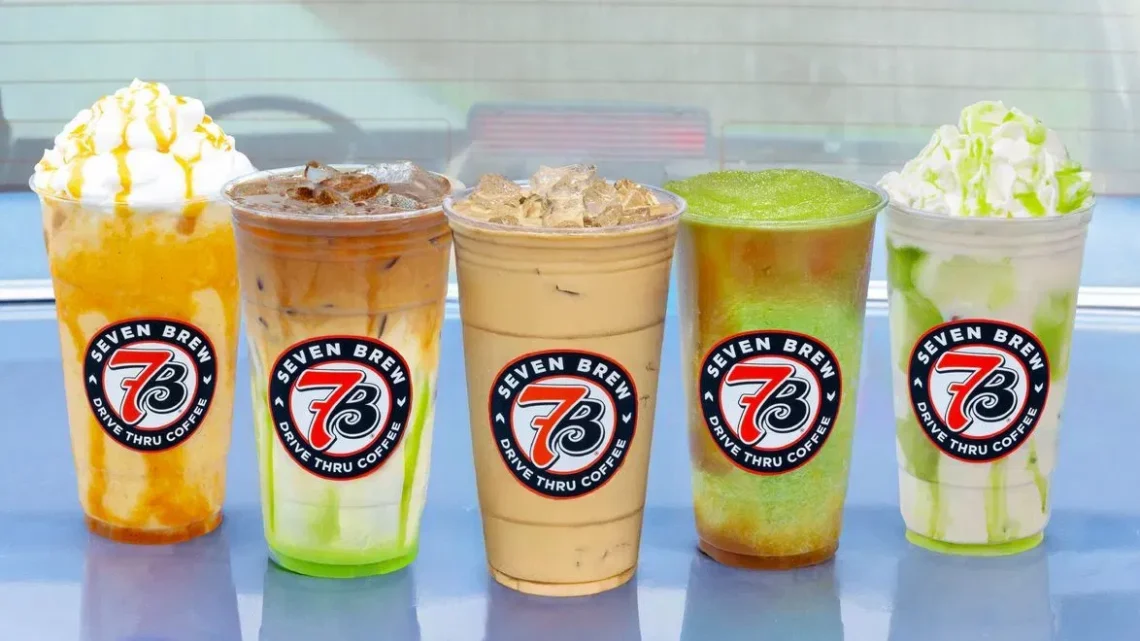
7 brew menu has become part of a broader shift in modern beverage culture, where coffee shops are no longer simply places to order a traditional cup of coffee. Instead, customers increasingly look for variety, customization, recognizable flavors, and drinks that feel personal. 7 Brew fits neatly into this evolving landscape with a menu built around coffee, energy drinks, chillers, teas, smoothies, and flavored combinations. Moreover, the brand’s drive-through format makes the experience fast and convenient, while its extensive flavor choices encourage customers to experiment rather than settle for one familiar order.
Why the Menu Has Become a Cultural Talking Point
The appeal of the 7 brew menu goes beyond the drinks themselves. In recent years, beverage culture has become increasingly influenced by customization. People want to choose flavors, sweetness levels, milk options, caffeine styles, and combinations that match their individual preferences.
Consequently, a coffee order can become a small expression of personality. One customer may prefer a straightforward latte, while another might choose a colorful energy drink with several flavors. This flexibility helps explain why modern beverage chains increasingly resemble lifestyle brands rather than conventional cafés.
A Menu Built Around Choice
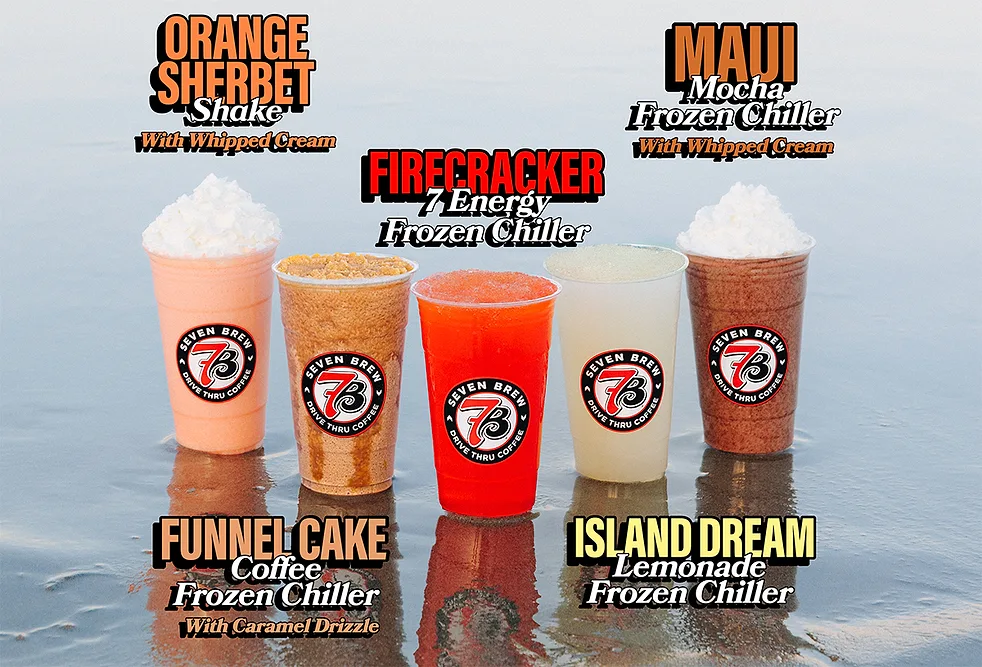
At its heart, the 7 brew menu offers several broad categories rather than relying on a single signature beverage style. The selection commonly includes espresso-based drinks, energy drinks, chillers, teas, smoothies, shakes, and other flavored beverages.
| Category | Typical Character | Why Customers May Choose It |
|---|---|---|
| Coffee | Espresso-based and flavored options | Familiar caffeine experience |
| Energy Drinks | Fruity and customizable combinations | Bold flavors and energy-focused appeal |
| Chillers | Cold blended-style beverages | Refreshing alternative to coffee |
| Teas | Fruit-forward and traditional options | Lighter beverage experience |
| Smoothies | Blended fruit combinations | Flavor and texture variety |
| Shakes | Creamier dessert-style drinks | Indulgent treat |
This structure makes the menu accessible to different tastes. Furthermore, it allows customers to visit the same location repeatedly while ordering something completely different each time.
The Rise of Flavor-Driven Coffee Culture
One of the most interesting developments surrounding the 7 brew menu is the growing importance of flavor. Coffee was once often discussed primarily through roast, origin, brewing technique, and strength. Today, however, flavored beverages occupy a much larger cultural space.
Vanilla, caramel, chocolate, strawberry, peach, coconut, and other familiar flavors can transform a basic beverage into something closer to a dessert or fruit drink. As a result, customers who might not consider themselves serious coffee drinkers can still find an appealing option.
Moreover, this approach reflects a wider consumer preference for recognizable flavors. Instead of requiring customers to understand technical coffee terminology, flavor combinations make ordering approachable and conversational.
Customization Makes the Experience Personal
Another defining characteristic of the 7 brew menu is the role of customization. Rather than treating the printed or online menu as a fixed list, customers can often think of it as a starting point for creating their own combinations.
That creates an interesting social dynamic. People frequently discover drinks through friends, social media, or recommendations from employees. Then, they modify those drinks to suit their own preferences.
In this way, the menu becomes participatory. The customer is not simply selecting a finished product; they are helping shape the final drink. That sense of involvement can turn an ordinary drive-through visit into a small ritual.
Coffee Beyond the Traditional Morning Cup
Traditionally, coffee culture has been strongly associated with mornings, offices, newspapers, and quiet cafés. However, contemporary beverage chains have helped broaden that image.
The 7 brew menu reflects a more flexible understanding of when and why people purchase drinks. A cold beverage can accompany an afternoon drive, an energy drink can become part of a busy day, and a sweeter option can function as an evening treat.
Therefore, the modern coffee stop is not necessarily about needing coffee. It can also be about convenience, flavor, routine, social interaction, or simply enjoying something refreshing.
The Drive-Through as Part of the Brand Experience
The drive-through model is another important piece of the story. Unlike a traditional café designed around sitting, reading, or working, a drive-through-focused beverage business emphasizes movement and speed.
Yet convenience does not necessarily mean an impersonal experience. Friendly service, recognizable staff interactions, and the anticipation of receiving a customized drink can create familiarity over time.
For regular customers, the journey itself can become habitual: arriving at the location, deciding between familiar favorites and new combinations, placing an order, and continuing the day with a drink in hand.
How People Explore the Menu
People rarely discover an extensive beverage menu in one visit. Instead, exploration tends to happen gradually.
First, customers may begin with something recommended by a friend. Then, after finding a flavor they enjoy, they may experiment with another variation. Eventually, they develop a personal favorite or a small collection of regular orders.
Social media has accelerated this process. Pictures, short videos, recommendations, and menu discussions allow customers to encounter combinations before ever visiting a location. Consequently, the menu becomes part of an online conversation as well as an in-person experience.
Seasonal Habits and Changing Preferences
Drink preferences also change with the seasons. Cold and fruity beverages may feel particularly attractive during warmer months, while richer coffee combinations can appeal during colder weather.
Nevertheless, modern menus increasingly blur those seasonal boundaries. Iced coffee remains popular throughout the year, while fruity drinks can appear regardless of the weather.
This flexibility reflects a broader change in consumer behavior: people are less interested in strict seasonal rules and more interested in choosing whatever matches their mood at a particular moment.
What Makes the Menu Memorable?
The strongest menus are often memorable because they give customers multiple reasons to return. Variety is one reason, but familiarity is another.
A customer may visit because they already know exactly what they want. Another may arrive specifically because they want to try something new. Both behaviors can exist within the same menu.
That balance between consistency and experimentation is particularly important. A familiar favorite provides reliability, while customization creates discovery. Together, they give the experience a sense of continuity without making every visit identical.
The Human Side of a Beverage Order
Behind the colorful names and flavor combinations is a simple human behavior: people enjoy small routines.
A morning drink can become part of someone’s commute. An afternoon beverage can mark a break from school or work. A shared order can become a conversation starter between friends.
In that sense, the 7 brew menu represents more than a list of beverages. It illustrates how contemporary food and drink businesses build experiences around everyday moments. The product matters, certainly, but the ritual surrounding it can be equally meaningful.
Frequently Asked Questions
What can customers find on the 7 brew menu?
The menu generally includes multiple beverage categories, such as coffee, energy drinks, teas, chillers, smoothies, and shakes, with different flavor combinations and customization possibilities.
Is the menu only for coffee drinkers?
No. Its broader selection means customers who do not want traditional coffee can explore alternatives such as teas, energy drinks, smoothies, chillers, and other cold beverages.
Why are customized drinks so popular?
Customization allows customers to adjust flavors and beverage styles according to their individual preferences. It also makes repeat visits more interesting because the same basic drink can inspire different combinations.
Does the menu appeal to younger consumers?
Its emphasis on colorful flavors, customization, convenience, and shareable beverage experiences naturally fits many contemporary consumer habits, particularly those shaped by social media.
Conclusion
The 7 brew menu is ultimately a reflection of how beverage culture has changed. Coffee shops and drive-through drink brands increasingly compete not only through caffeine or convenience, but through variety, personalization, recognizable flavors, and memorable customer experiences.
Moreover, the menu’s significance lies in its flexibility. Someone can approach it looking for a familiar coffee, an energizing alternative, a fruity drink, or a sweet treat and find a pathway that fits the moment. That combination of choice and routine is what makes contemporary beverage culture so compelling.
Rather than simply asking what people want to drink, the modern menu invites a more interesting question: what kind of experience do they want today?