
Introduction: Mexican Food Near Me and the Search for Authentic Flavor
Mexican Food Near Me is more than a search for a nearby restaurant; it is an invitation to explore a cuisine shaped by centuries of tradition, regional diversity, and family cooking. From freshly prepared tacos and sizzling fajitas to rich mole sauces and handmade tortillas, Mexican food offers something for different tastes and occasions. Moreover, local Mexican restaurants provide opportunities to experience distinctive ingredients, welcoming dining environments, and recipes that connect everyday meals with Mexico’s vibrant culinary heritage.
Why Mexican Cuisine Continues to Attract Food Lovers
Mexican cuisine has earned worldwide recognition because it combines bold flavors, varied textures, and ingredients that work together naturally. Corn, beans, tomatoes, chilies, avocados, and fresh herbs form the foundation of countless traditional dishes. However, the appeal extends beyond ingredients alone. Cooking techniques, regional customs, and generations of shared knowledge also contribute to the cuisine’s identity. Consequently, searching for a Mexican restaurant nearby can lead to an experience that feels both familiar and exciting.
Mexican Food Near Me: Popular Dishes Worth Exploring
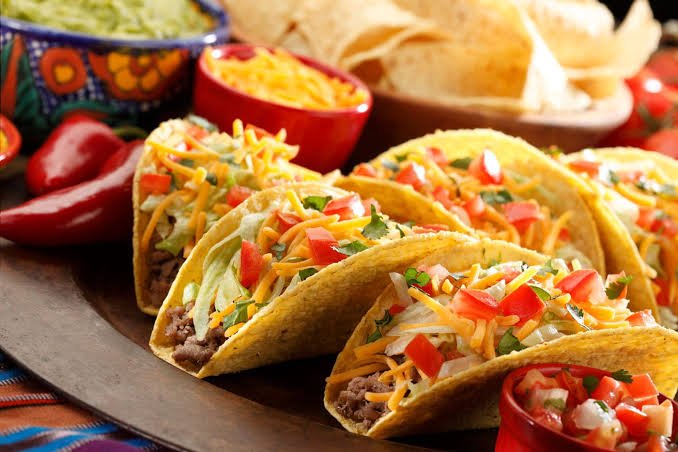
When exploring nearby Mexican restaurants, understanding the menu can make the experience more enjoyable. Tacos offer flexibility through different fillings and toppings, while enchiladas feature tortillas covered with sauce and often baked with cheese. Meanwhile, quesadillas provide a simple combination of tortillas and melted cheese, sometimes accompanied by vegetables or meat. For something more substantial, burritos bring several ingredients together in one convenient wrap. Each dish has its own character, making it worthwhile to try different preparations rather than judging the cuisine by a single meal.
Regional Traditions That Shape Mexican Food
Mexican food is not one uniform style. Instead, it reflects the geography, agriculture, history, and traditions of different regions. Oaxaca, for example, is celebrated for complex mole preparations, distinctive cheeses, and varied uses of corn. Yucatán has a culinary identity influenced by Maya traditions and ingredients such as achiote and citrus. Northern Mexico is particularly associated with grilled meats and flour tortillas, while coastal communities often incorporate seafood into their cooking. Therefore, a restaurant’s regional influences can offer valuable clues about the flavors and dishes on its menu.
How to Find a Mexican Restaurant Worth Visiting
Finding a good restaurant involves more than selecting the closest option on a map. First, examine recent customer reviews for consistent comments about food quality, freshness, service, and cleanliness. Next, review the menu to determine whether the restaurant prepares dishes that match your preferences. Additionally, photographs can help you understand portion sizes and presentation, although they should not be the only basis for your decision.
It is also useful to check opening hours, prices, takeaway availability, and dietary information. Ultimately, the best choice is a restaurant that combines dependable food with an enjoyable experience and clear information about its offerings.
Authentic Mexican Cooking and the Importance of Ingredients
Authenticity in Mexican cooking cannot be reduced to a single recipe or presentation style. Traditional dishes vary considerably, and families often adapt recipes according to regional ingredients and personal preferences. Nevertheless, certain elements remain central to many preparations, including properly prepared corn tortillas, fresh salsa, dried chilies, lime, and aromatic herbs.
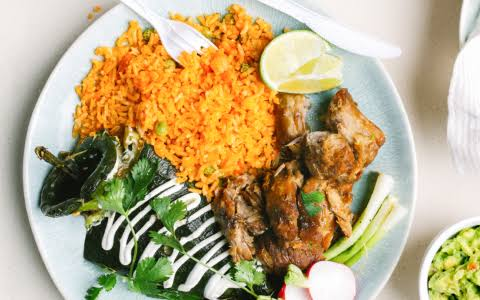
For instance, a well-made salsa can balance acidity, heat, and freshness without overwhelming the other ingredients. Similarly, tortillas prepared with care can influence the texture and flavor of an entire meal. Although restaurants may interpret traditions differently, attention to ingredients and technique often distinguishes a memorable dish from an ordinary one.
Street Food and the Social Side of Mexican Cuisine
Street food occupies an important place in Mexico’s culinary culture. Food stalls, neighborhood markets, and small family businesses create spaces where people gather for quick meals and familiar flavors. Tacos, tamales, elotes, and other popular preparations demonstrate how accessible ingredients can become satisfying dishes through skillful seasoning and cooking.
Furthermore, street food often reflects the rhythm of local life. People stop for breakfast before work, meet friends for an afternoon snack, or share a casual meal after a busy day. When nearby restaurants offer street-food-inspired menus, diners can explore some of these traditions in a different setting. Still, the atmosphere and preparation methods may vary from one establishment to another.
Vegetarian, Vegan, and Other Dining Preferences
Mexican cuisine includes many options for people who prefer meals without meat. Bean tacos, vegetable quesadillas, mushroom fillings, grilled peppers, and guacamole can provide satisfying alternatives. However, ingredients that appear vegetarian may contain chicken stock, animal fats, or other animal-derived products, depending on the preparation.
Therefore, diners with specific dietary requirements should ask staff about cooking methods and ingredients. Those avoiding gluten may also find naturally suitable corn-based dishes, but cross-contact and additional ingredients remain important considerations. Clear communication helps customers choose meals that fit their needs without missing out on the variety of Mexican cooking.
Mexican Food Near Me for Family Meals and Casual Gatherings
A nearby Mexican restaurant can suit many occasions, from a quick lunch to a family celebration. Shared platters, customizable tacos, rice dishes, and mild or spicy sauces allow diners to choose according to their preferences. In addition, many menus offer combinations that make ordering easier for groups.
For families, checking portion sizes, children’s options, seating arrangements, and noise levels can improve the experience. Meanwhile, friends may prefer restaurants with outdoor seating or a relaxed atmosphere. Although the food remains central, hospitality and comfort also influence whether a restaurant becomes a place people want to revisit.
Understanding Prices, Portions, and Overall Value
Restaurant prices can vary according to location, ingredients, portion sizes, and service style. A small taqueria may offer inexpensive tacos, whereas a full-service restaurant might charge more for elaborate preparations and table service. Neither option is automatically better; the important question is whether the meal offers satisfying quality for its price.
Before visiting, compare menu prices and check whether taxes, delivery charges, or service fees apply. Additionally, consider whether sides and drinks are included. A thoughtful comparison helps diners avoid surprises while finding a restaurant that suits their budget and expectations.
Takeaway and Delivery: Mexican Food at Home
Not every meal requires dining inside a restaurant. Takeaway and delivery services make Mexican dishes accessible during busy evenings, study sessions, family gatherings, or relaxed weekends at home. Nevertheless, some foods travel better than others. Burritos and certain rice bowls may retain their texture well, while crispy tacos can soften during transport.
To improve the experience, check estimated delivery times and packaging details when available. You can also request sauces separately if the restaurant permits it. Most importantly, follow appropriate food-safety guidance and avoid leaving perishable meals at room temperature for extended periods.
What Makes a Mexican Restaurant Memorable?
A memorable restaurant brings together flavor, consistency, hospitality, and a clear sense of identity. Fresh ingredients matter, but so do thoughtful seasoning, suitable cooking temperatures, and careful preparation. Equally, friendly service can make first-time visitors feel comfortable asking questions or trying unfamiliar dishes.
In addition, restaurants that explain their regional influences or preparation methods can help diners appreciate the food more deeply. Not every establishment needs an elaborate menu or traditional setting. Rather, a commitment to quality and an understanding of the cuisine can create a rewarding experience in many different environments.
Frequently Asked Questions
What dishes should beginners try at a Mexican restaurant?
Tacos, quesadillas, enchiladas, and burritos are accessible starting points. You can also try guacamole, Mexican rice, or a mild salsa before exploring dishes with stronger heat or more complex sauces.
How can I find authentic Mexican food nearby?
Look for menus that explain their dishes, use recognizable traditional ingredients, and offer regional specialties. Recent reviews can provide useful context, although no single sign guarantees authenticity.
Is Mexican food always spicy?
No. Some dishes contain hot chilies, but others are mild and rely on herbs, roasted vegetables, cheese, or slow-cooked sauces for flavor. You can usually ask for salsa or chili sauce on the side.
Are there vegetarian options in Mexican cuisine?
Yes. Beans, corn, mushrooms, vegetables, rice, and avocados feature in many vegetarian dishes. However, it is wise to confirm whether stocks, cooking fats, and sauces contain animal products.
What should I check before ordering delivery?
Review the menu, total price, delivery estimate, restaurant ratings, and available dietary information. Choose dishes suited to transport and check that your order arrives properly packaged.
Conclusion: A Local Meal With a Larger Cultural Story
Searching for Mexican Food Near Me can open the door to much more than a convenient dinner. It can introduce diners to regional traditions, ingredient combinations, family recipes, and the social importance of sharing food. Every restaurant offers a different interpretation, shaped by its cooks, community, and approach to hospitality.
Ultimately, finding the right place means looking beyond distance alone. Consider freshness, menu variety, service, value, and the opportunity to try something unfamiliar. Whether you choose street-food-inspired tacos, a comforting plate of enchiladas, or a carefully prepared regional specialty, a good meal can turn an ordinary day into a meaningful culinary discovery.