Introduction
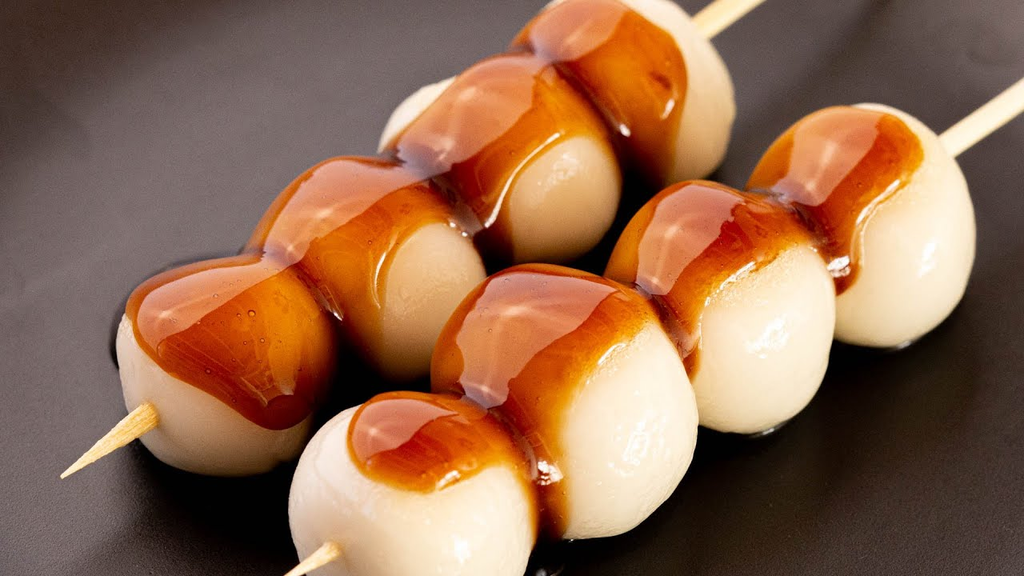
anko dango near me is the kind of search that begins with a craving but can quickly become a small journey into Japanese food culture. At first glance, dango appears wonderfully simple: soft, chewy rice-flour dumplings served on a skewer, often accompanied by a sweet red-bean paste or another glaze. Yet behind that modest appearance is a food tradition shaped by seasonality, craftsmanship, festivals, tea culture, and the pleasure of sharing something familiar. For diners discovering it for the first time, finding good dango nearby can therefore be about much more than satisfying a sweet tooth.
Why Anko Dango Has Such Lasting Appeal
The appeal of anko dango comes partly from its contrast of textures. The dumplings are pleasantly chewy while anko, the sweet red-bean paste made from azuki beans, contributes a smooth and substantial richness. Moreover, the combination is sweet without relying entirely on the intense richness associated with many Western desserts. This balance makes dango suitable for a quiet afternoon snack, a casual dessert, or a traditional Japanese-style food experience.
What You Are Really Looking For When You Search Nearby
When someone searches anko dango near me, they may not necessarily be looking for a restaurant that specializes exclusively in dango. Japanese cafés, bakeries, dessert shops, tea houses, and restaurants may all offer variations of the treat. Therefore, it helps to look beyond the exact phrase on a menu. Terms such as anko, dango, wagashi, Japanese sweets, mochi-style desserts, and Japanese tea desserts can reveal places that might otherwise be overlooked.
Anko, Dango, and the Difference Between Them
Understanding the terminology makes the search considerably easier. Dango refers to the chewy dumplings themselves, while anko refers to sweetened azuki-bean paste. Consequently, anko dango describes dango served with or accompanied by that red-bean preparation. The distinction matters because menus may list the components separately. Some establishments might serve plain dango with anko, while others incorporate the paste into a dessert plate or pair it with tea.
| Term | What it generally means | What to expect |
|---|---|---|
| Dango | Chewy Japanese dumplings | Soft, springy rice-based texture |
| Anko | Sweet azuki-bean paste | Smooth, sweet, earthy flavor |
| Anko dango | Dango paired with anko | Chewy dumplings with red-bean sweetness |
| Wagashi | Traditional Japanese confectionery | Often delicate, seasonal, and tea-friendly |
The Cultural Story Behind a Familiar Japanese Sweet
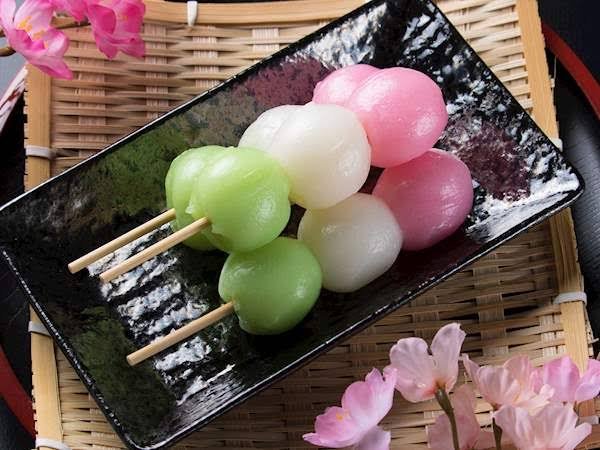
Dango has long occupied an interesting place in Japanese food culture because it is both everyday and ceremonial. It appears in seasonal celebrations, local festivals, tea settings, and ordinary moments of snacking. In particular, different styles of dango have developed around regional tastes and occasions. Hanami, Japan’s celebrated cherry-blossom viewing tradition, is strongly associated with seasonal sweets, including colorful varieties of dango.
That connection gives the dessert an emotional dimension. Food is often remembered not simply because of flavor, but because of where and when it was eaten. A skewer of dango enjoyed during a festival, beside a cup of tea, or while exploring a Japanese neighborhood can become part of a larger memory.
How to Judge a Good Serving of Anko Dango
Finding a nearby shop is only the first step. Quality is often revealed through texture and balance. Fresh dango should have a pleasant chew rather than feeling excessively hard or dry. Meanwhile, good anko should taste naturally bean-rich rather than overwhelmingly sugary.
Presentation can also tell you something. Carefully prepared dango tends to look uniform, while the accompanying anko or sauce should complement rather than completely overwhelm the dumplings. Additionally, temperature matters: some versions are best enjoyed warm, while others are intentionally served at room temperature.
The Experience Matters as Much as the Dessert
Searching anko dango near me is ultimately an experiential search. People increasingly use food searches to discover places with atmosphere, authenticity, and a story. A Japanese café with traditional décor can make the same dessert feel very different from a modern dessert counter serving a contemporary interpretation.
Likewise, the setting can influence how people appreciate the food. A quiet tea room encourages slower eating, whereas a lively market or festival creates a more spontaneous experience. In both cases, dango becomes part of the environment rather than an isolated menu item.
Seasonal Flavors Make the Search More Interesting
One reason Japanese sweets remain fascinating is their relationship with the seasons. Depending on the establishment and time of year, dango may appear with different sauces, colors, toppings, or accompaniments. Spring can inspire delicate presentations associated with blossoms, while autumn menus may introduce flavors connected with chestnut, sweet potato, or other seasonal ingredients.
Therefore, returning to the same Japanese dessert shop at different times can produce surprisingly different experiences. What looks like a simple rice-flour sweet can become a changing expression of the calendar.
Where to Look for Anko Dango Nearby
The most promising places usually fall into several categories. Japanese wagashi shops are an obvious choice because traditional sweets are their specialty. Japanese cafés can also be excellent options, particularly those with tea-focused menus. Furthermore, specialty Asian grocery stores sometimes carry packaged or frozen versions, although these may offer a different experience from freshly prepared dango.
Japanese restaurants should not be ignored either. Some include traditional desserts alongside savory dishes, especially restaurants that emphasize regional or heritage cooking. Checking recent menus, photographs, and customer comments can help determine whether the dango is actually available before making a trip.
Questions Worth Asking Before You Order
A little curiosity can make the experience better. If the menu is unfamiliar, ask whether the dango is freshly prepared, what kind of anko accompanies it, and whether the dessert is served warm or chilled. You can also ask whether the shop’s version is traditional or a modern interpretation.
These questions are useful because dango is not a single rigid recipe. Small changes in preparation, sweetness, texture, and presentation can create noticeably different results.
Why Dango Continues to Travel Across Cultures
Japanese sweets have become increasingly visible internationally, yet their appeal has not depended solely on novelty. Dango fits comfortably into contemporary dessert culture because it is visually distinctive, relatively simple, and highly adaptable. At the same time, it retains a connection to Japanese culinary traditions.
That combination explains its growing appeal. Diners can approach dango as something completely new, while people familiar with Japanese cuisine may encounter it as a nostalgic food. In this way, the dessert works across generations and cultures without losing its original character.
Frequently Asked Questions
Is anko dango the same as mochi?
Not exactly. Both can have a chewy rice-based texture, but dango and mochi are different traditional foods with different preparation methods. Their textures may overlap, which can cause confusion for first-time diners.
Is anko always sweet?
In the context of Japanese desserts, anko generally refers to sweetened azuki-bean paste. However, sweetness levels vary between preparations, so one shop’s anko may taste considerably different from another’s.
Can dango be eaten with tea?
Absolutely. Dango and Japanese tea can make a particularly natural pairing. The tea can provide a gentle contrast to the sweetness of the anko and create a slower, more traditional dessert experience.
What should first-time diners try?
A straightforward dango served with anko is an excellent starting point. It allows you to experience the characteristic chewy texture alongside the earthy sweetness of azuki beans without too many additional flavors competing for attention.
Conclusion: A Small Search With a Bigger Story
The phrase anko dango near me may look like an ordinary local-food query, but it points toward something more meaningful. Behind the search is a dessert shaped by Japanese craftsmanship, seasonal traditions, social occasions, and a deep appreciation for simple ingredients.
Ultimately, the best experience is not necessarily about finding the fanciest presentation or the most elaborate menu. It is about discovering a place where texture, flavor, atmosphere, and cultural context come together naturally. A few chewy dumplings, a spoonful of sweet red-bean paste, and perhaps a cup of tea can turn an ordinary afternoon into a memorable introduction to Japanese food culture.