manty kazakh near me is more than a search for a comforting plate of steamed dumplings. It can also be the beginning of a culinary discovery, connecting diners with one of Central Asia’s most recognizable foods. Soft dough, savory filling, gentle steam, and the ritual of sharing make manty an experience as much as a meal. Moreover, finding a good local restaurant can offer a small but meaningful introduction to Kazakh food traditions, where hospitality, family, and hearty cooking remain deeply connected.
Why Kazakh Manty Stand Out
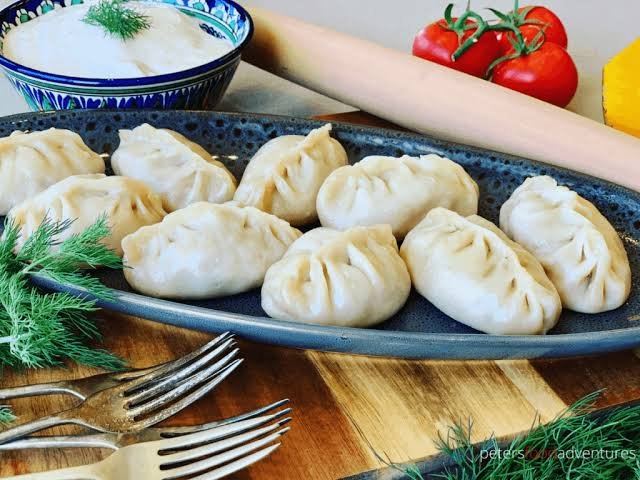
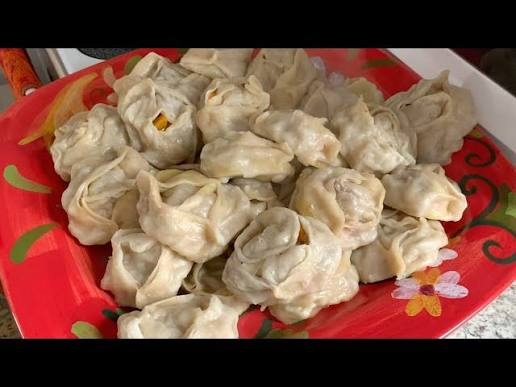
Across Central Asia, steamed dumplings appear in many forms, yet Kazakh manty have their own character. Traditionally, they are made with thinly rolled dough wrapped around a flavorful filling, often involving minced meat and onion. Depending on the cook or restaurant, ingredients and proportions can vary.
That variation is part of the appeal. Rather than being defined by one rigid recipe, manty reflect household traditions and regional influences. Consequently, two plates served in different kitchens may look similar while offering noticeably different textures and flavors.
For someone searching for manty kazakh near me, this diversity is worth appreciating. The best experience is not necessarily the most elaborate one. Instead, it is often the plate that feels balanced: tender dough, a well-seasoned filling, and enough moisture to make every bite satisfying.
The Cultural Story Wrapped Inside the Dough
Food traditions often survive because they are practical, memorable, and social. Manty fits all three descriptions. They can be prepared in quantity, steamed together, and served at a table where several people share the same meal.
In Kazakh food culture, hospitality carries particular importance. Therefore, dishes such as manty can represent more than everyday nourishment. They can become part of gatherings, family meals, celebrations, and moments when guests are welcomed into a home.
The preparation itself can also become communal. Rolling dough, preparing filling, folding dumplings, and arranging them for steaming create a rhythm that encourages conversation. Ultimately, the food tells a story before it even reaches the table.
What to Look for When Searching Locally
A search for manty kazakh near me can produce a mixture of Central Asian, Russian, Uzbek, and broader Eurasian restaurants. While that variety can be useful, diners interested specifically in Kazakh-style food may want to look beyond the word “dumpling” on a menu.
A restaurant that highlights Central Asian traditions may provide a more culturally focused experience. Likewise, descriptions mentioning steamed meat dumplings, homemade dough, traditional preparation, or Kazakh cuisine can offer helpful clues.
Freshness matters, too. Since manty depend heavily on texture, freshly prepared dough can make a noticeable difference. The filling should feel substantial without overwhelming the dough, while the steaming process should leave the exterior tender rather than heavy.
A Simple Guide to the Experience
| What to consider | Why it matters |
|---|---|
| Dough texture | Thin, tender dough helps balance the filling |
| Filling | Meat, onion, seasoning, and moisture shape the flavor |
| Steaming | Proper steaming keeps the dumplings soft and succulent |
| Serving style | Sauces and accompaniments can change the overall experience |
| Fresh preparation | Recently made dumplings usually provide better texture |
These details do not create a strict ranking system. Instead, they help diners understand what they are tasting and why one version may appeal more than another.
From Kazakhstan to Neighborhood Dining Tables
One reason foods like manty continue to attract attention is the growing curiosity surrounding regional cuisines. Diners increasingly want meals with stories behind them, rather than simply choosing familiar dishes.
Kazakh cuisine offers an especially interesting perspective because it reflects centuries of movement, geography, pastoral traditions, and cultural exchange. Meat, dairy, grains, and dough-based foods have historically played important roles, while neighboring culinary traditions have also influenced the broader Central Asian food landscape.
As a result, a local restaurant serving manty can become an unexpected cultural meeting point. A person may arrive simply looking for dinner and leave with a new appreciation for a cuisine they had never explored before.
The Comfort of Steamed Dumplings
There is something naturally reassuring about steamed dumplings. Unlike heavily fried foods, their preparation emphasizes softness and warmth. The aroma rises immediately when the lid is lifted, creating an experience that begins before the first bite.
For many diners, that comfort is part of the attraction. Manty can feel substantial without needing elaborate presentation. The food arrives warm, generous, and designed to be eaten slowly.
Furthermore, steaming preserves the character of the filling while allowing the dough to remain delicate. That combination gives the dish a satisfying contrast between exterior and interior.
How Different Restaurants Can Interpret the Dish
Not every restaurant will prepare manty in exactly the same way. Some may use a richer filling, while others emphasize onion, seasoning, or dough. Shape can also differ, depending on the folding technique used by the kitchen.
This should not automatically be viewed as a problem. Culinary traditions evolve whenever recipes travel. A dish prepared in Kazakhstan, elsewhere in Central Asia, or in an international restaurant may naturally reflect its surroundings.
Still, diners looking specifically for Kazakh food should pay attention to how the restaurant describes its culinary identity. That context can help distinguish a genuinely Kazakh-focused experience from a menu that simply includes manty among many unrelated dumpling dishes.
A Meal That Encourages Sharing
Manty are particularly well suited to shared dining. A large serving placed in the middle of the table naturally invites people to eat together, compare flavors, and talk about the dish.
That social quality is significant because food culture is rarely just about ingredients. It is also about how people gather around food. In this sense, manty represent a style of dining that values generosity and participation.
For families, groups of friends, or curious first-time diners, the dish can therefore become an easy introduction to Central Asian cuisine. One plate can lead to questions about Kazakhstan, its traditions, and the wider culinary history of the region.
Finding a Memorable Local Plate
The best result from searching manty kazakh near me may not necessarily be the closest restaurant. Convenience matters, of course, but authenticity, preparation, freshness, and atmosphere can make the journey worthwhile.
Reading a menu carefully can help. Restaurant reviews may also reveal whether customers consistently mention handmade dough, generous portions, flavorful filling, or traditional preparation. Additionally, photographs can provide clues about portion size and presentation, although appearance alone cannot guarantee quality.
Most importantly, approach the dish with curiosity. Manty do not need to resemble familiar dumplings to be enjoyable. Their character comes from the combination of dough, filling, steam, and tradition.
Frequently Asked Questions
What are Kazakh manty?
Kazakh manty are steamed dumplings commonly prepared with dough and a savory filling, often minced meat and onion. They are associated with Central Asian culinary traditions and are commonly enjoyed as a hearty shared meal.
Are manty similar to other Central Asian dumplings?
Yes, they share similarities with dumpling traditions found throughout Central Asia. However, ingredients, folding techniques, seasoning, and preparation can vary from one region or household to another.
What should I look for in a good restaurant?
Freshly prepared dough, flavorful filling, proper steaming, and a restaurant with a clear connection to Central Asian or Kazakh cuisine are useful signs. Customer reviews can provide additional context.
Are manty usually eaten as a shared dish?
They can be. Their shape, preparation, and generous serving style make them particularly suitable for communal meals, although they can certainly be enjoyed individually as well.
Conclusion: More Than a Search for Food
A search for manty kazakh near me can begin with something simple: the desire for a warm and satisfying meal. Yet the experience can become much richer when viewed through the lens of culture.
Manty carry ideas of hospitality, family cooking, regional identity, and culinary exchange. Their appeal comes not from complicated presentation but from the careful relationship between dough, filling, steam, and time. Moreover, their popularity beyond Kazakhstan demonstrates how traditional foods can travel while retaining a recognizable connection to their origins.
Ultimately, discovering a good plate of manty is an invitation to slow down and explore. What appears to be a humble steamed dumpling can open a window into Kazakhstan’s food traditions—and sometimes, that is exactly what makes a local meal memorable.