
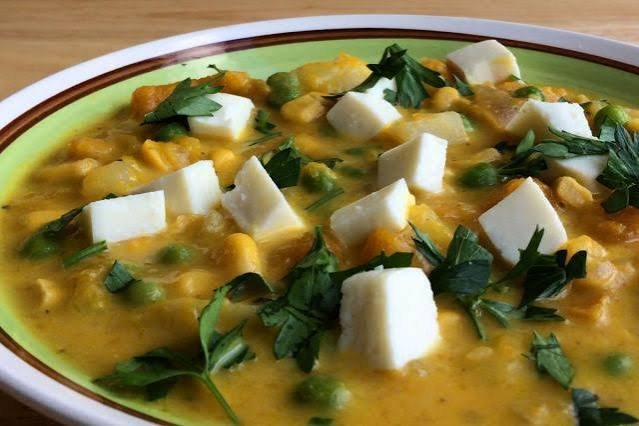
best locro de zapallo near me is more than a search for a satisfying bowl of food. It can also be a search for something familiar: a creamy, comforting dish built around squash, potatoes, corn, herbs, and fresh cheese. In Peruvian cooking especially, locro de zapallo has a strong connection with everyday home meals, where simple ingredients are transformed into something deeply flavorful.
Today, the dish can appear in traditional restaurants, neighborhood eateries, family kitchens, and contemporary interpretations of Andean cuisine. Consequently, finding a memorable version is often less about elaborate presentation and more about the balance of texture, seasoning, freshness, and cultural character.
Why Locro de Zapallo Has Such Lasting Appeal
Locro de zapallo is traditionally associated with Andean cooking and is particularly established in Peruvian cuisine. Its foundation is wonderfully straightforward: tender squash cooked with vegetables and seasoning until much of it becomes soft and creamy. Potatoes, corn, peas, cheese, milk, and herbs can then add contrasting textures and flavors.
What makes the dish appealing is precisely this simplicity. The sweetness of the squash does not stand alone. Instead, it is balanced by savory aromatics, chili, herbs, and cheese. As a result, a well-prepared bowl can feel substantial without being unnecessarily complicated.
What to Look for When Searching Locally
When people search for best locro de zapallo near me, they are usually looking for more than a dish that technically carries the right name. They want a version that feels freshly prepared and reflects the character of the cuisine.
A useful first clue is texture. Good locro should have a naturally thick, spoonable consistency rather than resembling a completely smooth pumpkin purée. Some pieces of potato, corn, or vegetables can remain visible, giving the dish personality. Traditional Peruvian preparations often combine squash with potatoes, choclo, peas, fresh cheese, milk, and herbs such as huacatay.
Seasoning matters just as much. Onion, garlic, chili, herbs, salt, and pepper should support the squash rather than overpower it. Therefore, a restaurant that prepares the dish in small batches may offer a more expressive result than one where it sits for long periods.
The Ingredients Behind the Comfort
The character of locro begins with the squash itself. Peruvian versions may use varieties such as zapallo macre or zapallo loche, sometimes combining them for a deeper texture and flavor. El Comercio’s published recipes, for example, feature both varieties in different preparations.
Potatoes contribute body, while choclo introduces a gentle sweetness and a firmer bite. Peas and broad beans can add additional texture. Meanwhile, fresh cheese and milk create the creamy finish associated with many Peruvian versions. Huacatay, a strongly aromatic Andean herb, can provide another distinctive layer.
Because each ingredient has a recognizable role, the best versions rarely need excessive decoration. The food speaks through its balance.
A Dish Shaped by Andean Food Traditions
The story of locro reaches beyond modern restaurant menus. Sources discussing the Peruvian preparation describe it as part of an older Andean culinary tradition, while later cooking incorporated ingredients and techniques associated with colonial influence.
That history helps explain why the dish feels both ancient and familiar. Squash, potatoes, and corn are deeply connected to Andean foodways, while dairy ingredients such as milk and cheese became important components of later versions.
In this sense, locro is a useful example of how food traditions evolve. Recipes do not remain frozen in one historical moment. Instead, families adapt them according to available ingredients, regional tastes, and personal habits.
What Makes a Restaurant Version Stand Out?
A memorable restaurant preparation usually depends on details that are easy to overlook. First, the squash should be cooked until tender enough to create a creamy base naturally. Second, the seasoning should be developed rather than simply added at the end. Finally, vegetables and cheese should retain enough character to prevent the dish from becoming monotonous.
A traditional presentation may include rice alongside the stew, while other versions can be served as a more soup-like dish. These differences are not necessarily contradictions. Instead, they demonstrate how the same culinary idea can take different forms.
Comparing Common Styles of Locro
| Style | Typical Character | What You May Notice |
|---|---|---|
| Peruvian-style locro | Thick, savory and creamy | Squash, potatoes, choclo, peas, cheese and herbs |
| Ecuadorian-style preparation | More soup-like | Squash, milk, cheese and sometimes toasted seeds |
| Contemporary version | Flexible and lighter | Plant-based dairy, alternative garnishes or modern presentation |
Ecuadorian preparations can differ noticeably from Peruvian ones. Some Ecuadorian recipes describe locro de zapallo as a creamy soup served with cheese, avocado, or toasted squash seeds.
That distinction is worth remembering when searching locally. A restaurant may use the same name while presenting a dish rooted in a different regional tradition.
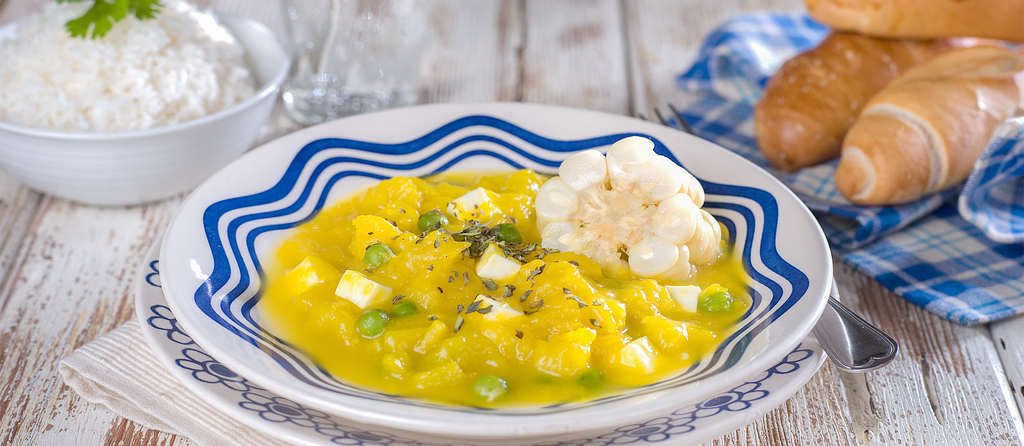
The Experience of Finding a Bowl Nearby
Searching for best locro de zapallo near me can become an enjoyable food discovery because the dish is closely associated with home-style cooking. Unlike highly elaborate dishes designed primarily for special occasions, locro has an everyday quality.
It is the kind of meal that can make sense on a quiet afternoon, during cooler weather, or whenever someone wants something warm and filling. Moreover, its relatively humble ingredients make it an interesting measure of a kitchen’s fundamentals. If a restaurant can turn squash, potatoes, herbs, and cheese into a balanced meal, that simplicity becomes part of the appeal.
Vegetarian and Modern Interpretations
Although traditional recipes vary, locro can work naturally as a vegetarian dish. Some contemporary Peruvian recipes deliberately replace dairy products with plant-based alternatives while retaining squash, potatoes, corn, beans, chili, and herbs.
This flexibility is one reason the dish continues to fit modern dining habits. The essential character does not depend on extravagant ingredients. Instead, it comes from the combination of a creamy squash base, savory seasoning, vegetables, and contrasting textures.
However, diners should remember that recipes differ considerably between restaurants. Asking about ingredients can be useful when dietary preferences or allergies are involved.
Questions Worth Asking Before Ordering
If you are evaluating a local restaurant, a few simple questions can reveal how the kitchen approaches the dish:
- Is the locro prepared fresh each day?
- Which type of squash is used?
- Does the recipe include huacatay?
- Is fresh cheese added during cooking or as a garnish?
- Is rice traditionally served alongside it?
- Does the restaurant offer a vegetarian or dairy-free interpretation?
These questions are especially useful because locro does not have one universal recipe. Variation is part of its identity rather than a flaw.
Why This Dish Still Feels Personal
Food becomes culturally important when it carries memories as well as flavor. Locro de zapallo has that quality because its ingredients are familiar, its preparation is approachable, and its associations often extend into family cooking.
A bowl can therefore represent more than lunch. It can recall a grandmother’s kitchen, a neighborhood restaurant, a regional tradition, or someone’s first encounter with Andean food. Furthermore, the dish demonstrates how culinary heritage can survive not through elaborate ceremonies but through ordinary meals prepared repeatedly and passed between generations.
Finding Your Own Local Favorite
The search for best locro de zapallo near me ultimately depends on what you value in the experience. Some diners may prefer a thick Peruvian-style guiso with potatoes, choclo, cheese, and huacatay. Others may enjoy a smoother, soup-like preparation influenced by Ecuadorian traditions.
Rather than judging every version by one rigid standard, it makes more sense to understand the regional style behind it. That approach allows the differences to become part of the discovery.
Conclusion
The enduring appeal of best locro de zapallo near me lies in the fact that the search begins with a simple dish but can lead toward a much broader understanding of Andean food culture. Locro brings together squash, potatoes, corn, herbs, dairy, and seasoning in a preparation that feels both humble and distinctive.
Ultimately, the most memorable bowl is likely to be the one that respects its ingredients while preserving the comforting spirit of the dish. Whether encountered in a traditional Peruvian setting, an Ecuadorian-inspired kitchen, or a contemporary restaurant, locro de zapallo remains a reminder that meaningful food does not need to be complicated. Sometimes, its greatest strength is the warmth of something familiar.