
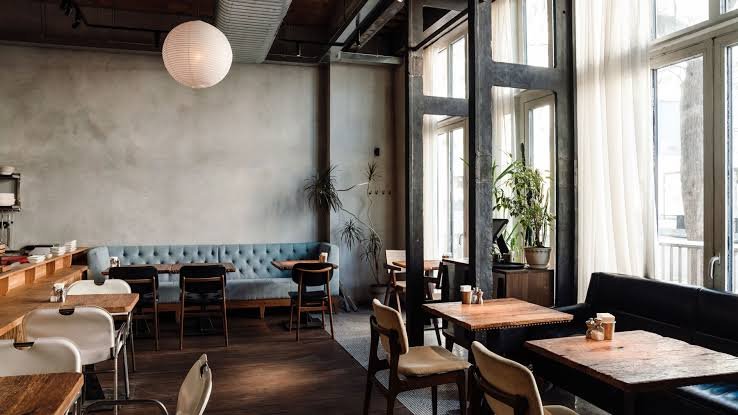
nearest coffee shop to me is more than a search phrase typed into a phone when caffeine is suddenly needed. It reflects a modern habit of looking for comfort, convenience, familiarity, and a small pause in an increasingly hurried day. Whether someone is beginning a workday, meeting a friend, studying for an exam, or simply wanting a quiet corner, the local coffee shop can become part of the rhythm of everyday life. Consequently, finding the right place is not always about distance; it is about discovering an environment that fits the moment.
Why the Local Coffee Shop Still Matters
Coffee shops have evolved far beyond their original role as places to purchase a drink. Today, they can function as informal offices, social meeting points, reading rooms, creative spaces, and neighborhood landmarks. Moreover, their importance often comes from the atmosphere they create rather than the menu alone. A familiar table, friendly greeting, comfortable chair, or consistent morning routine can make an ordinary location feel personal. Therefore, proximity is valuable, but emotional familiarity can make a nearby café feel like a small extension of home.
The Search Begins With Convenience
When people search for a nearby café, convenience is usually the first consideration. They may be walking through an unfamiliar neighborhood, driving between appointments, or looking for somewhere to stop before work. However, modern search tools allow people to consider much more than physical distance. Opening hours, customer reviews, photographs, seating availability, menu choices, and general atmosphere can all influence the decision. As a result, the closest location may not always be the most suitable one. The best choice depends on what the visitor actually needs at that particular moment.
Distance Is Only One Piece of the Decision
A coffee shop located a few minutes away can be appealing, yet distance alone rarely tells the complete story. For example, a slightly farther café might offer quieter seating, better accessibility, stronger internet connectivity, or a more comfortable environment for studying. Similarly, someone meeting a friend may value spacious tables and a relaxed atmosphere over speed. Meanwhile, a commuter might prioritize quick service. Thus, the idea behind nearest coffee shop to me becomes more nuanced when personal circumstances enter the picture. Convenience matters, but context determines what convenience truly means.
What Makes a Coffee Shop Worth Visiting?
The strongest coffee shops tend to balance practical details with atmosphere. Naturally, the quality of coffee matters, but so do cleanliness, service, seating, noise levels, and consistency. Furthermore, small details can influence the overall experience: natural light, music that is not overwhelming, accessible tables, and staff who make customers feel welcome can all contribute to a memorable visit. A successful café understands that people are purchasing an experience as well as a beverage. Consequently, even a modest neighborhood establishment can become highly valued when it consistently meets the needs of its community.
A Café Can Become Part of a Daily Ritual
For many people, visiting a coffee shop is connected to routine. The morning coffee before work, the afternoon study session, or the weekend conversation with friends can become a comforting ritual. Over time, repeated visits create recognition between customers and staff, turning a commercial transaction into something more familiar. In addition, routines provide small moments of stability during busy schedules. This is why a person may continue visiting the same café even when other options exist nearby. The value is no longer simply the drink; it is the sense of familiarity surrounding it.
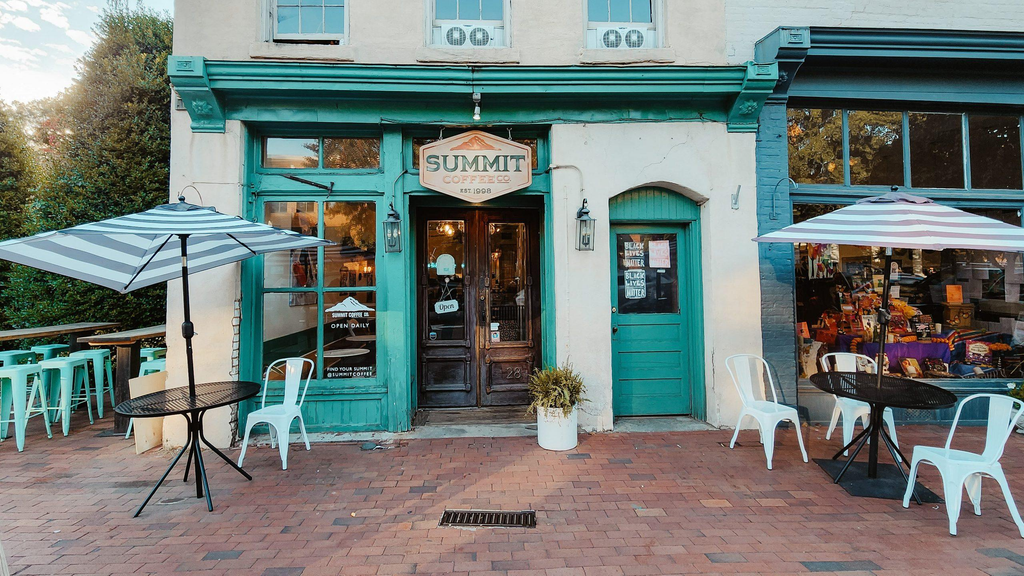
Choosing the Right Place for the Occasion
Different situations naturally call for different kinds of coffee shops. Someone working remotely may need reliable connectivity, comfortable seating, and a relatively calm environment. On the other hand, friends catching up may prefer a lively setting where conversation feels natural. Families might look for spacious seating and accessible facilities, while someone grabbing coffee on the way to work may care most about efficient service. Therefore, searching for the nearest coffee shop to me should ideally be followed by another question: what kind of experience am I looking for today?
| Need | Features Worth Considering |
|---|---|
| Quick morning stop | Fast service, convenient location, early opening |
| Studying or working | Comfortable seating, quieter atmosphere, reliable Wi-Fi |
| Meeting friends | Spacious tables, relaxed environment, varied drinks |
| Weekend visit | Comfortable atmosphere, food options, leisurely service |
| Short break | Easy access, pleasant seating, convenient takeaway |
Coffee Culture Is Becoming More Personal
Coffee culture has changed significantly as cafés have become more closely connected with individual lifestyles. Specialty beverages, alternative preparation methods, locally inspired menus, and distinctive interiors allow establishments to develop their own identities. At the same time, customers increasingly look for places that reflect their preferences and values. Some appreciate simplicity, while others enjoy creative menus and carefully designed spaces. Moreover, social media has made the visual character of cafés part of their appeal. A coffee shop can now become recognizable not only for its drinks but also for the atmosphere people associate with it.
The Human Side of a Nearby Café
Behind every coffee shop is a collection of human interactions that rarely appear in search results. Baristas remember regular customers, friends arrange spontaneous meetings, students find temporary study spaces, and workers take short breaks from demanding schedules. These moments may seem insignificant, yet collectively they give cafés their cultural character. In addition, independent coffee shops can contribute to the identity of a neighborhood by creating places where people naturally encounter one another. A nearby café, therefore, can serve as a small social crossroads where different routines briefly overlap.
How to Make a Better Choice
Before settling on a café, it helps to think beyond the first search result. Check whether the hours fit your schedule, consider the type of seating available, and look at recent customer feedback rather than relying solely on an overall rating. Likewise, photographs can provide clues about the atmosphere, although they cannot completely replace personal experience. If the purpose is work or study, practical facilities may matter most. If the goal is relaxation, ambiance may take priority. Ultimately, the right choice is the one that matches the purpose of the visit.
The Meaning Behind a Simple Coffee Run
A coffee run can appear to be one of the smallest activities in a busy day. Nevertheless, these brief routines can carry surprising emotional importance. They offer an opportunity to step away from a screen, exchange a few words with another person, or simply sit quietly for several minutes. Furthermore, the familiar environment of a neighborhood café can provide continuity when other parts of life feel unpredictable. That is perhaps why people often develop strong preferences for particular establishments. The beverage starts the experience, but the surrounding sense of place is what can make it memorable.
A Better Way to Think About Local Coffee
The most useful approach is to treat nearby cafés as more than points on a map. Each establishment has its own personality, pace, customer community, and relationship with its neighborhood. Consequently, finding a good café involves a mixture of practical research and personal discovery. One location may be perfect for a hurried weekday morning, while another becomes the ideal weekend retreat. Over time, people learn which places suit particular moods and occasions. That process turns an ordinary search into a personal exploration of the places that make everyday life more enjoyable.
Conclusion: Finding a Place That Fits the Moment
The search for nearest coffee shop to me ultimately reveals something larger about contemporary life. People want convenience, but they also want places where they can pause, connect, work, think, and feel comfortable. Therefore, the best coffee shop is not necessarily the one with the shortest walking distance. It is the one that fits the purpose of the visit and creates an experience worth repeating. In a world increasingly shaped by digital searches and instant choices, discovering a welcoming local café remains a remarkably human experience.