best empanadas de cazón near me is more than a search for a convenient snack. It is often a search for a particular taste: crisp corn dough, savory fish, aromatic seasonings, and the unmistakable character of Venezuela’s coastal cooking. Cazón, commonly associated with small shark species, has long appeared in regional dishes, especially around the island of Margarita. Consequently, finding a well-made empanada can feel like discovering a small piece of seaside culture. The experience brings together food, memory, migration, craftsmanship, and the simple pleasure of eating something prepared with care.
Why Empanadas de Cazón Have Such a Distinctive Identity
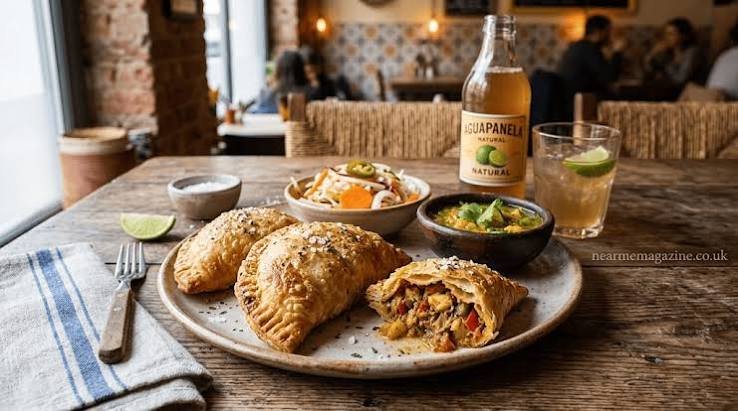
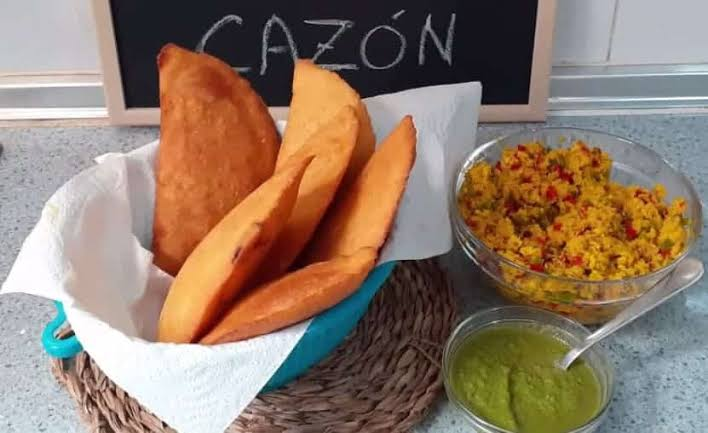
Unlike many familiar meat or cheese empanadas, cazón empanadas have a distinctly maritime personality. The filling is generally prepared from cooked, shredded fish and combined with ingredients such as onion, peppers, garlic, herbs, and seasoning. Meanwhile, the corn-based dough provides a mild, slightly sweet contrast to the savory interior. When properly prepared, the result is neither overwhelmingly fishy nor excessively heavy. Instead, the flavors work together with a balance that reflects the uncomplicated but expressive character of Venezuelan coastal cuisine.
The Venezuelan Coastal Story Behind the Filling
The popularity of cazón is closely connected with coastal communities where seafood has traditionally been part of everyday cooking. Margarita, in particular, is strongly associated with dishes featuring cazón, and empanadas have become one of the most recognizable ways to enjoy the preparation. Historically, coastal foodways developed around ingredients that were accessible to local households and fishing communities. Therefore, a simple fried pastry could carry considerable cultural meaning. It represented practicality, local resources, family cooking, and the ability to transform humble ingredients into something memorable.
What to Look for When Searching Nearby
When searching for the best empanadas de cazón near me, the first consideration should be freshness rather than size or presentation. A good empanada should have a freshly cooked exterior with a crisp surface and a tender corn interior. The filling should be moist enough to remain flavorful without making the dough soggy. Furthermore, the seasoning should support the fish rather than overpower it. Restaurants, bakeries, food stalls, and Venezuelan cafés may each prepare the dish differently, so comparing descriptions, recent customer comments, photographs, and menus can help reveal what style a nearby establishment offers.
The Importance of the Dough
The dough is easy to underestimate because the filling receives most of the attention. Nevertheless, it is essential to the overall experience. Venezuelan empanada dough is commonly made from corn flour, water, and salt, producing a texture that differs significantly from wheat-based pastry. When fried correctly, the outside becomes pleasantly crisp while the inside remains soft enough to complement the filling. Moreover, the thickness matters. Dough that is too thick can overwhelm the cazón, while an overly thin shell may fail to hold the filling properly. Good preparation creates harmony between both elements.
What Makes the Cazón Filling Stand Out
Cazón has a firm texture that works particularly well when shredded and seasoned for an empanada filling. Depending on the cook and region, the preparation may include onion, sweet peppers, garlic, herbs, and other aromatic ingredients. As a result, two empanadas containing the same basic fish can taste surprisingly different. Some versions emphasize the natural seafood flavor, while others lean toward a more richly seasoned filling. That variation is part of the appeal. Instead of a rigid recipe, cazón empanadas reflect household traditions and the personal touch of the person preparing them.
A Search That Can Become a Culinary Discovery
Searching for the best empanadas de cazón near me can also introduce diners to a wider Venezuelan food culture. A restaurant serving this specialty may offer other regional dishes, drinks, sauces, or desserts that reveal different aspects of the cuisine. For someone unfamiliar with Venezuelan food, the empanada can therefore serve as an accessible starting point. It is portable, recognizable, and easy to share. At the same time, its ingredients tell a deeper story about geography, migration, family traditions, and the relationship between Venezuelan communities and the sea.
How Different Places Can Interpret the Same Tradition
There is rarely one universal version of a traditional dish. A family-run restaurant might prepare its cazón with a particularly aromatic sofrito, while a casual food stall could emphasize a crisp shell and generous filling. Elsewhere, cooks may adjust the seasoning according to local ingredients or customer preferences. These differences should not automatically be viewed as departures from authenticity. Rather, they demonstrate how food traditions remain alive. As Venezuelan communities have established themselves in different countries, familiar recipes have naturally adapted while retaining recognizable cultural foundations.
The Best Time to Enjoy a Fresh Empanada
Freshness can dramatically influence the experience. Ideally, an empanada should be served soon after frying, when the exterior remains crisp and the filling is warm. However, timing also depends on the setting. A morning visit to a Venezuelan bakery may offer a different atmosphere from an afternoon stop at a busy restaurant. In either case, freshly prepared food tends to reveal the contrast between textures most clearly. The crisp shell, tender dough, and seasoned fish filling work together best when they have not been sitting for an extended period.
A Dish Built for Everyday Moments
One reason empanadas remain so appealing is their flexibility. They can function as breakfast, a quick lunch, an afternoon snack, or part of a larger meal. Consequently, they occupy a comfortable place between street food and home cooking. Families can prepare them in large batches, while restaurants can serve them individually to customers looking for something satisfying without committing to a full entrée. That practicality has helped empanadas travel beyond their original settings. Wherever Venezuelan food communities grow, familiar dishes can become bridges between cultural heritage and everyday life.
What the Search Really Represents
The phrase best empanadas de cazón near me suggests convenience, but the food itself represents something much more personal. For Venezuelan diners, the flavor may evoke family kitchens, coastal towns, weekend gatherings, or memories of food prepared by relatives. For newcomers, it can become an introduction to a culinary tradition they have never encountered. Either way, the search is ultimately about more than locating a nearby address. It is about finding food with character. The strongest culinary discoveries often happen when a simple online search leads to an unfamiliar story.
Choosing Between Restaurants, Bakeries, and Food Stalls
Different venues can offer noticeably different experiences. A restaurant may provide a broader menu and a comfortable setting, whereas a bakery might specialize in freshly prepared pastries throughout the day. Food stalls, meanwhile, can offer a more informal experience and sometimes emphasize speed and freshness. Therefore, the right choice depends on what the diner values. Checking whether cazón is prepared daily, whether the empanadas are fried to order, and whether the menu identifies regional specialties can provide useful clues before making a decision.
A Small Empanada With a Much Bigger Story
Ultimately, the appeal of this dish lies in its ability to combine simplicity with cultural depth. Corn dough, seasoned fish, aromatics, and hot oil may sound like straightforward ingredients, yet their combination carries generations of culinary practice. The dish also demonstrates how regional foods can travel while maintaining their identity. For that reason, the search for the best empanadas de cazón near me can become an invitation to explore Venezuelan cuisine more broadly. Behind every well-made empanada is a story about place, people, adaptation, and the enduring power of food.
Frequently Asked Questions
What is cazón?
Cazón is a term commonly used in Spanish-speaking regions for certain small shark species. In Venezuelan cuisine, it is particularly associated with coastal dishes and is often cooked, shredded, and seasoned before being used in preparations such as empanadas.
Are cazón empanadas traditionally Venezuelan?
They are strongly associated with Venezuelan coastal cuisine, particularly the food traditions of Margarita Island and other eastern coastal areas. Their preparation can vary between families, restaurants, and regions.
What should a good cazón empanada taste like?
A well-prepared version should offer a crisp corn exterior and a moist, savory filling. The seasoning should complement the fish rather than completely conceal its flavor.
Where can I find them?
Venezuelan restaurants, bakeries, cafés, and specialty food businesses are the most natural places to look. Local menus and recent customer reviews can help determine whether a venue currently serves them.
Conclusion
A search for best empanadas de cazón near me can begin with hunger but end with discovery. The dish connects the practical traditions of coastal cooking with the emotional dimensions of food remembered and shared. Its golden exterior, seasoned fish filling, and corn-based dough create an experience that is immediately enjoyable, yet its cultural background gives it greater significance. Ultimately, the most memorable empanada is not necessarily the largest or most elaborate. It is the one that captures the balance, warmth, and sense of place that make Venezuelan cooking so compelling.