
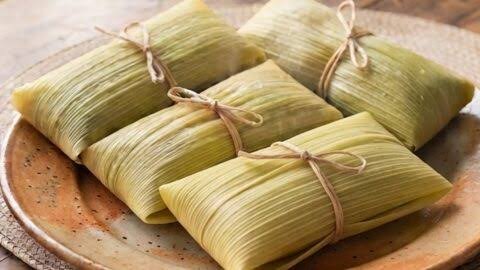
best humintas near me is more than a search for a convenient meal; it can also be an invitation to discover one of South America’s most comforting corn-based traditions. Humintas, commonly known as humitas in many regions, are closely connected with indigenous culinary heritage and generations of home cooking. Soft, fragrant, and often prepared with fresh corn, they occupy a special place in Andean food culture. For diners encountering them for the first time, the experience can be both satisfying and revealing, because every preparation carries traces of place, family, and tradition.
Why Humintas Continue to Hold Cultural Importance
Across the Andes, corn has never been simply another ingredient. Instead, it has played an important role in agriculture, community life, and traditional cooking. Humintas reflect that relationship beautifully because the dish transforms fresh corn into something warm, substantial, and deeply familiar. Although recipes vary from one region to another, the central idea remains remarkably consistent. Corn is prepared with care, seasoned according to local customs, and traditionally wrapped before cooking. Consequently, humintas represent not only a particular flavor but also a culinary practice passed between generations.
What Makes the Best Humintas Near Me Worth Seeking Out
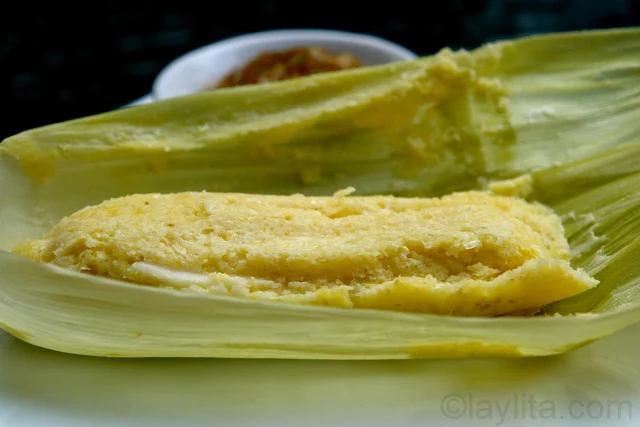
When people search for the best humintas near me, they are usually looking for more than an attractive menu description. Texture, freshness, seasoning, and preparation all matter. A memorable huminta should allow the natural sweetness of corn to remain noticeable without becoming overwhelming. At the same time, savory versions can offer herbs, cheese, or other regional ingredients that create greater depth. Furthermore, the wrapping and cooking process can influence the final texture. The best examples feel homemade rather than industrial, offering a sense of warmth that makes the dish particularly appealing.
From Andean Kitchens to Modern Restaurant Menus
Humintas have traveled far beyond the communities where their traditions developed. Today, diners may encounter them at South American restaurants, Latin American food festivals, specialty markets, and contemporary kitchens. As a result, the dish has become an accessible introduction to Andean cuisine for people who may never have experienced it before. However, modern presentation does not necessarily diminish its cultural identity. Instead, thoughtful chefs often preserve the essential character of the dish while adapting seasoning or presentation to local audiences. This balance between heritage and innovation is part of what makes traditional food so fascinating.
The Different Personalities of a Traditional Huminta
Although the basic concept remains recognizable, humintas can differ considerably depending on geography and family tradition. Some are prepared with a sweeter corn mixture, while others lean toward savory flavors. Cheese may add richness, whereas herbs can introduce a brighter character. Similarly, the consistency can range from soft and creamy to slightly firmer. These differences are not flaws or inconsistencies; rather, they demonstrate how recipes evolve within communities. Therefore, comparing different preparations can be one of the most rewarding parts of exploring the dish.
| Style or Feature | What Diners May Notice |
|---|---|
| Sweet-leaning | Naturally fresh, gently sweet corn flavors |
| Savory | Herbs, cheese, and stronger seasoning |
| Soft texture | Moist and tender interior |
| Firmer texture | More structured, substantial bite |
| Traditional wrapping | Adds cultural character to the presentation |
What to Look for When Ordering
Finding a good huminta often begins with paying attention to how a restaurant describes its preparation. Fresh corn, traditional cooking methods, regional ingredients, and house-made preparation can all be encouraging signs. Moreover, dishes that are prepared in smaller batches may offer a fresher texture and more pronounced flavor. It is also worth considering whether the restaurant specializes in South American cuisine, since cooks familiar with the tradition may have a deeper understanding of its regional variations. Ultimately, freshness and authenticity matter more than elaborate presentation.
The Human Story Behind a Simple Corn Dish
Food traditions survive because people continue making them meaningful. In many families, dishes based on corn are associated with gatherings, celebrations, markets, and memories of home. Humintas fit naturally into that story because their preparation can be communal and deliberate. Someone may remember watching a relative prepare the corn mixture, another person may associate the aroma with a particular holiday, while younger generations may discover the recipe through restaurants. In this way, a seemingly simple dish becomes a connection between generations, places, and personal experiences.
Why Searching Locally Can Lead to a Bigger Culinary Discovery
A search for the best humintas near me can begin with convenience, yet it can end with cultural discovery. Local restaurants often provide opportunities to explore cuisines that are otherwise unfamiliar, particularly when chefs preserve traditional techniques. Furthermore, trying the dish alongside other regional specialties can reveal how ingredients such as corn, potatoes, cheese, herbs, and peppers interact across an entire cuisine. Rather than treating humintas as an isolated menu item, diners can view them as part of a broader culinary landscape shaped by geography, history, migration, and family traditions.
A Dish That Rewards Curiosity
The appeal of humintas ultimately lies in their ability to be both approachable and culturally rich. Corn is familiar to diners around the world, yet the preparation can introduce an entirely different relationship with that ingredient. Consequently, ordering humintas can become a small act of culinary exploration. The dish invites questions about where it came from, who prepared it, and how its recipe changed over time. That curiosity is valuable because food becomes more memorable when flavor is connected with a story.
Conclusion: More Than a Search for a Meal
The search for best humintas near me ultimately points toward something larger than finding a satisfying dish. It opens a window into Andean culinary traditions, the enduring importance of corn, and the personal stories that keep regional recipes alive. Whether enjoyed at a specialized restaurant or discovered through a local Latin American menu, humintas offer an experience built around simplicity and heritage. Above all, they demonstrate how food can travel across borders while retaining its emotional connection to the people and communities that first gave it meaning.