
Best Pastelitos Argentinos Near Me: A Taste of Argentina’s Culinary Heritage
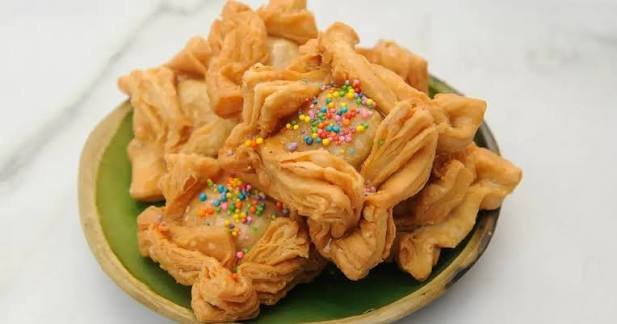
Best Pastelitos Argentinos Near Me is a search that can lead to much more than a nearby bakery. It opens the door to a traditional Argentine pastry associated with family gatherings, national celebrations, and the simple pleasure of sharing something sweet. Pastelitos are small, golden pastries traditionally filled with quince paste or sweet potato paste. Their delicate layers become crisp during frying, while a light syrup glaze adds sweetness. For anyone exploring Argentine cuisine, finding freshly prepared pastelitos offers a delicious introduction to the country’s food culture.
What Makes Traditional Argentine Pastelitos So Special?
Argentine pastelitos stand out because of their distinctive shape, flaky texture, and traditional fillings. Unlike ordinary filled pastries, they are often folded into a flower-like form that creates several crisp edges. Traditionally, cooks prepare them using thin layers of dough and a filling of dulce de membrillo, a firm quince paste, or dulce de batata, a sweet potato confection. After frying, they are commonly brushed or dipped in syrup. Consequently, every bite combines crunch, sweetness, and a soft fruit-based center.
The Cultural History Behind Argentina’s Favorite Sweet Pastries
Pastelitos have a longstanding place in Argentine culinary traditions, particularly around national holidays such as May Revolution Day on May 25 and Independence Day on July 9. Families and local vendors often serve them alongside other traditional foods during these celebrations. Although their precise historical origins are difficult to establish, pastelitos reflect the wider influence of Spanish pastry traditions and the evolution of local cooking practices. Over generations, they have become familiar symbols of celebration, hospitality, and the enduring connection between food and national identity.
Quince or Sweet Potato: Choosing the Right Pastelito Filling
One of the most enjoyable parts of discovering these pastries is deciding which filling suits your taste. Quince paste offers a fruity, slightly tangy sweetness, while sweet potato paste generally has a milder, smoother flavor. Both are traditional choices, and neither needs to overshadow the other. In addition, some modern bakeries experiment with alternative fillings, although traditional varieties remain especially popular among people seeking an authentic experience.
The best option ultimately depends on personal preference. If you enjoy a more pronounced fruit flavor, quince may be your favorite. Conversely, sweet potato filling can appeal to those who prefer a gentler sweetness.
Where to Find the Best Pastelitos Argentinos Near Me
Finding excellent pastelitos begins with identifying bakeries, Argentine cafés, and Latin American food shops in your area. However, not every establishment prepares them fresh, so asking about preparation methods can make a meaningful difference. Local Argentine community groups, food markets, and cultural festivals can also be useful places to discover authentic versions.
When searching online, try phrases such as “Argentine bakery near me,” “fresh pastelitos de membrillo,” or “pastelitos de batata nearby.” These alternatives may reveal businesses that do not specifically advertise themselves using the English-language search term. Nevertheless, confirm availability before visiting because traditional pastries may be prepared only on certain days.
What to Look for When Buying Fresh Pastelitos
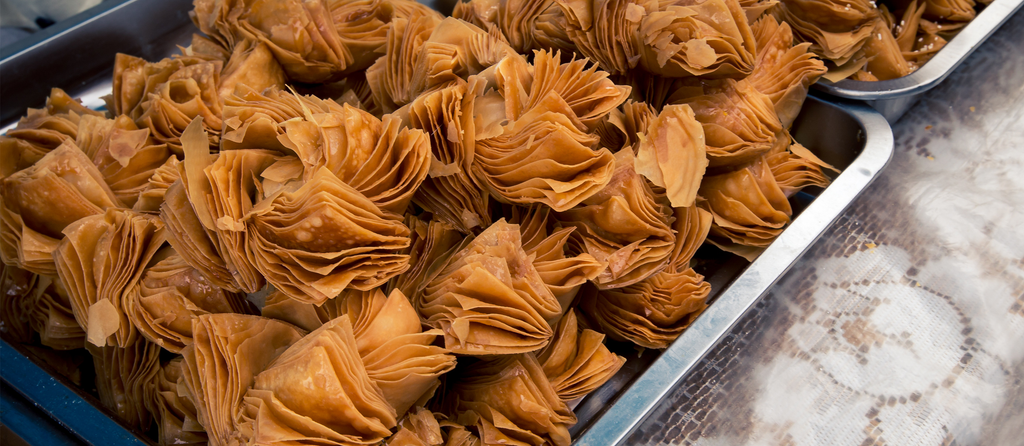
Freshness is one of the most important considerations when choosing a pastry. Ideally, pastelitos should have crisp, distinct layers rather than a heavy or soggy exterior. Their color should be an appetizing golden brown, and the filling should complement the pastry instead of overwhelming it. Furthermore, a pleasant, freshly prepared aroma can indicate that the pastries have not been sitting for too long.
It is also worth asking whether the pastries are made in-house. Small bakeries that prepare dough and fillings themselves may offer a more traditional experience. However, quality can vary, so customer reviews and personal recommendations remain useful when comparing nearby options.
How Argentine Bakeries Preserve the Traditional Recipe
Traditional preparation requires patience and attention to detail. Bakers roll the dough into thin sheets, layer it carefully, and arrange small portions of filling before folding the pastry into its characteristic shape. Depending on the recipe, a little fat or starch between layers helps create separation during cooking. The pastries are then fried until crisp and finished with syrup or decorative sugar.
Although contemporary kitchens may use different techniques, the central goal remains the same: a crisp exterior surrounding a sweet, flavorful center. Therefore, the quality of the dough, the balance of the filling, and the cooking temperature all contribute to the final result.
Pastelitos at Home: A Tradition Worth Sharing
For many families, preparing pastelitos is as meaningful as eating them. The process offers an opportunity to exchange recipes, teach younger relatives traditional techniques, and spend time together in the kitchen. Although buying them from a nearby bakery is convenient, homemade versions can bring a personal touch to birthdays, holiday gatherings, or an ordinary weekend afternoon.
Additionally, making them at home allows cooks to choose their preferred filling and adjust the sweetness. Nevertheless, achieving evenly crisp layers requires practice. Starting with a trusted Argentine recipe and allowing enough time for preparation can make the experience more enjoyable.
Enjoying Pastelitos Beyond Argentina
Outside Argentina, these pastries can be harder to find, particularly in places without established Argentine communities. Even so, Latin American bakeries, specialty grocery stores, and independent pastry shops may carry them. Some establishments also prepare traditional foods for cultural events or accept advance orders for celebrations.
When searching internationally, remember that similar pastry names can refer to different regional foods. For this reason, checking photographs, ingredients, and descriptions helps ensure that you are ordering the Argentine version rather than another pastry with a similar name.
What Makes an Authentic Pastelito Worth Seeking Out?
Authenticity is not determined by appearance alone. While the familiar folded shape is an important characteristic, the quality of the pastry, the balance of sweetness, and the care taken during preparation matter just as much. A good pastelito should feel crisp without becoming excessively hard, and its filling should retain a recognizable fruit or sweet potato flavor.
Equally important is the setting in which the pastry is enjoyed. A neighborhood bakery that serves traditional recipes may offer a stronger connection to Argentine food culture than a shop focused entirely on novelty desserts. Ultimately, authenticity is best understood through ingredients, technique, and the traditions surrounding the food.
Frequently Asked Questions About Argentine Pastelitos
What are Argentine pastelitos made of?
They are traditionally made with layered pastry dough filled with quince paste or sweet potato paste. They are usually fried until golden and finished with syrup or sugar.
Are pastelitos the same as empanadas?
No. Although both may contain fillings, pastelitos are sweet pastries with a characteristic layered, folded shape. Empanadas are generally crescent-shaped and can contain savory or sweet fillings.
Can I find Argentine pastelitos at a regular bakery?
Possibly, although availability depends on your location. Argentine bakeries and Latin American specialty shops are good places to start, and advance ordering may be necessary.
Are pastelitos served on special occasions?
Yes. They are particularly associated with Argentine national holidays and family gatherings, although they can also be enjoyed as an everyday sweet treat.
Which filling is more traditional: quince or sweet potato?
Both quince paste and sweet potato paste are established traditional fillings. Choosing between them largely comes down to personal taste.
Conclusion: Finding a Little Piece of Argentina Close to Home
Searching for the Best Pastelitos Argentinos Near Me is ultimately an invitation to explore a food tradition that combines craftsmanship, history, and shared enjoyment. These golden pastries are more than simple desserts; they represent the way familiar recipes can preserve cultural memories across generations and geographical boundaries.
Whether you discover them at a neighborhood bakery, a Latin American food festival, or through a family recipe, the experience offers a connection to Argentine culinary heritage. Therefore, take time to explore local bakeries, ask about traditional fillings, and look for pastries prepared with care. Sometimes, one small, flaky pastry is enough to make a distant food culture feel wonderfully close to home.