
INTRODUCTION
Shchi soup near me is a search that can lead beyond a simple restaurant recommendation. It opens the door to one of Russia’s most enduring culinary traditions: a hearty soup built around cabbage, vegetables, broth, and time. For generations, shchi has appeared on family tables in different forms, adapting to seasons, regions, available ingredients, and individual tastes. Today, people searching for shchi are often looking for more than food. They are looking for warmth, authenticity, cultural discovery, and the pleasure of finding a dish that carries a story in every spoonful.
What Makes Shchi More Than an Ordinary Cabbage Soup?
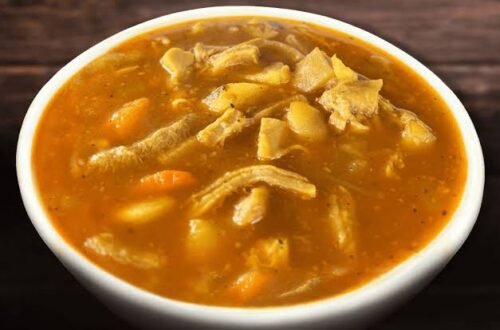
At its heart, shchi is a traditional Russian soup commonly associated with cabbage, although recipes vary considerably. Fresh cabbage, sauerkraut, meat, mushrooms, potatoes, carrots, onions, herbs, and sour cream can all appear depending on the recipe. Consequently, there is no single version that defines the entire tradition. Instead, shchi represents a family of soups connected by a recognizable character: nourishing ingredients, a savory broth, and a comforting sourness or depth. This flexibility is one reason the dish has remained relevant across centuries and households.
Why Searching for Shchi Locally Can Be an Adventure
A search for shchi soup near me often begins with convenience, yet the experience can become unexpectedly cultural. Unlike globally familiar dishes such as pizza or burgers, shchi may not appear on every restaurant menu. Therefore, finding it can require looking toward Russian, Eastern European, or Slavic restaurants and checking current menus carefully. Moreover, restaurants may offer their own interpretation rather than a strictly traditional recipe. That difference can make the search more interesting because every bowl may reveal another regional or family-inspired approach.
The Deep Cultural Roots Behind the Bowl
Shchi has a long association with Russian home cooking and rural food traditions. Historically, cabbage was practical because it could be stored and preserved, while other ingredients depended on the season and household resources. Sauerkraut, in particular, allowed cooks to create a distinctive tart version during colder months. Over time, shchi became closely connected with everyday life rather than formal dining. In that sense, the soup tells an important culinary story: traditional food does not always develop through luxury. Often, it grows from practicality, preservation, community, and the ability to turn modest ingredients into something deeply satisfying.
Fresh Cabbage or Sauerkraut? Two Different Personalities
One fascinating aspect of shchi is the contrast between fresh-cabbage and sauerkraut versions. Fresh cabbage generally creates a softer and milder profile, while sauerkraut introduces a sharper, fermented character. As a result, diners looking for shchi should not assume every bowl will taste alike. Some versions can feel delicate and vegetable-forward, whereas others are robust, tangy, and intensely savory. The choice often depends on season, recipe, and restaurant tradition. For first-time diners, trying both styles can offer a useful introduction to the diversity hidden within this seemingly simple soup.
What You Might Find in an Authentic Bowl
Although recipes differ, traditional shchi commonly revolves around cabbage and a flavorful liquid base. Meat versions may use beef, pork, or other meats, while vegetarian preparations can rely on mushrooms and vegetables for depth. Potatoes, carrots, onions, herbs, and bay leaves may also contribute to the final flavor. Sour cream is another familiar accompaniment. However, authenticity should not be reduced to a strict ingredient checklist. Instead, the balance of texture, acidity, broth, and slow-cooked flavor is often what gives a bowl its traditional character.
How to Find a Good Local Version
When searching for shchi soup near me, menu descriptions can provide useful clues. Start by looking for Russian or Eastern European restaurants, then check whether the menu specifically lists shchi, cabbage soup, or a related Russian soup. Next, look for descriptions mentioning fresh cabbage or sauerkraut, since these details can help distinguish the dish from generic cabbage soup. Reviews can also reveal whether diners enjoyed the broth, texture, portion, and seasoning. Finally, checking the restaurant’s current menu before traveling is sensible because seasonal dishes can disappear or change.
The Restaurant Experience Matters as Much as the Recipe
A bowl of traditional soup can feel different depending on where it is served. In a quiet family-style restaurant, shchi might arrive as a homely dish with bread and sour cream. Elsewhere, a contemporary chef may present a refined interpretation with carefully layered textures. Neither approach automatically makes the dish better. Rather, they demonstrate how traditional cuisine continues to evolve. For diners, atmosphere can become part of the experience: warm interiors, unfamiliar aromas, traditional breads, and neighboring dishes can transform an ordinary meal into a small cultural journey.

A Simple Comparison of Common Shchi Styles
| Style | Typical Character | Often Associated Ingredients |
|---|---|---|
| Fresh-cabbage shchi | Mild, balanced, vegetable-rich | Fresh cabbage, potatoes, carrots |
| Sauerkraut shchi | Tangy, deeper, more pronounced | Sauerkraut, broth, vegetables |
| Meat-based shchi | Rich and hearty | Beef or pork, cabbage, vegetables |
| Vegetarian shchi | Light but flavorful | Cabbage, mushrooms, potatoes, herbs |
The table highlights why ordering shchi can be an exploration rather than a predictable dining experience.
Why Shchi Feels Especially Appealing in Cold Weather
There is something instinctively comforting about a steaming bowl of soup when temperatures fall. Shchi fits that emotional landscape particularly well because its ingredients create a substantial yet familiar meal. The warmth is physical, but the comfort can also be psychological. Cabbage, broth, potatoes, herbs, and sour cream evoke the kind of uncomplicated food associated with home kitchens. Consequently, shchi often feels less like a restaurant novelty and more like an invitation to slow down and eat something nourishing.
Shchi and the Meaning of Comfort Food
Comfort food is rarely about flavor alone. It is connected to memory, place, family, and routine. Shchi demonstrates this beautifully. A particular recipe may remind someone of a grandmother’s kitchen, winter holidays, or ordinary weekday meals. Meanwhile, someone encountering the soup for the first time may build an entirely new association around it. That ability to carry both inherited memories and new experiences explains why traditional soups remain culturally significant even as modern dining habits change.
What to Pair With Shchi
A bowl of shchi can stand on its own, but simple accompaniments can make the meal feel more complete. Bread is a natural partner, particularly when it helps absorb the flavorful broth. Sour cream can soften acidity and add creaminess, while fresh herbs may bring brightness. Depending on the restaurant, diners might also encounter other Eastern European dishes alongside the soup. However, keeping the pairing relatively simple often allows the character of the shchi itself to remain the focus.
Frequently Asked Questions
Is shchi always made with cabbage?
Cabbage is the defining ingredient associated with most traditional versions, but recipes vary. Fresh cabbage and sauerkraut can produce noticeably different results.
Is shchi vegetarian?
It can be. Some versions use mushrooms and vegetables instead of meat, making vegetarian shchi a popular variation.
What does shchi taste like?
The flavor depends on the recipe. Fresh-cabbage versions can be mild and savory, while sauerkraut versions tend to have a stronger tang and fermented acidity.
Is shchi similar to other cabbage soups?
It shares characteristics with other cabbage-based soups, but its combination of ingredients, preparation methods, acidity, and Russian culinary traditions gives it a distinct identity.
How can I find shchi locally?
Search Russian and Eastern European restaurants, review their current menus, and look for shchi specifically rather than assuming every cabbage soup is the same dish.
Conclusion: A Local Search With a Much Bigger Story
Searching for shchi soup near me may look like an ordinary food query, but the destination can be much richer than expected. Behind the bowl lies a tradition shaped by seasons, preservation, family cooking, regional differences, and cultural memory. Furthermore, the dish demonstrates how humble ingredients can become an enduring symbol of comfort. Whether discovered in a Russian restaurant, prepared at home, or encountered for the first time while exploring another culture’s cuisine, shchi offers something beyond nourishment. It provides a small, delicious connection to history—and sometimes that is exactly what makes a local meal memorable.