
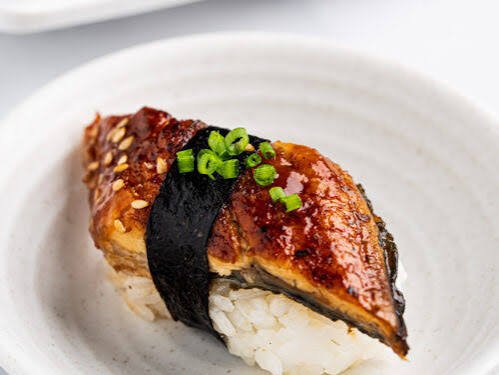
sushi nigiri eel near me is more than a search for a convenient restaurant; it reflects a growing curiosity about one of Japanese cuisine’s most distinctive ingredients. Eel, commonly associated with unagi, has a rich, savory character that works particularly well with seasoned sushi rice. Unlike heavily decorated rolls, nigiri places the ingredient at the center of the experience. Consequently, finding a good serving often becomes an exploration of preparation, texture, seasoning, freshness, and the traditions that have shaped eel sushi over generations.
Why Eel Nigiri Has Such a Distinctive Character
Eel nigiri stands apart because its flavor and texture are developed through preparation rather than simply presented raw. Freshwater eel is traditionally cooked before being served, often through grilling and careful seasoning. The result is tender meat with a rich, slightly sweet taste and a delicate surface. Moreover, the combination of warm, savory eel and lightly seasoned sushi rice creates a balance that can feel both comforting and refined. For many diners, that contrast is precisely what makes eel nigiri memorable.
Understanding Unagi Before You Order
When searching for sushi nigiri eel near me, understanding the word unagi can make the menu easier to navigate. Unagi generally refers to freshwater eel and is one of the best-known eel preparations in Japanese cuisine. Traditionally, the eel is filleted, cooked, and finished with a sweet-savory sauce. Although restaurant techniques vary, the goal is usually to preserve the eel’s soft texture while developing a deeply flavored exterior. Therefore, diners can expect something considerably different from raw fish varieties such as tuna or salmon nigiri.
The Art Behind a Good Piece of Nigiri
Nigiri may look simple, yet its apparent simplicity makes technique especially important. A skilled sushi chef considers the amount of rice, its seasoning, the size of the topping, and the final balance between both components. With eel, the chef must also work with an ingredient that has already been cooked and seasoned. Consequently, temperature and texture become part of the experience. A successful piece should feel cohesive rather than overloaded, allowing the eel, rice, and sauce to complement one another naturally.
What to Look for When Choosing a Restaurant
Searching for sushi nigiri eel near me can produce many possibilities, but not every sushi menu approaches eel in the same way. First, look for restaurants that clearly identify their eel preparation and describe the dish accurately. Next, consider whether the menu demonstrates attention to traditional sushi fundamentals rather than relying exclusively on elaborate rolls. Reviews can provide useful clues about consistency, service, and portion quality; however, they should be considered alongside the restaurant’s menu and reputation. Ultimately, freshness, careful preparation, and balanced seasoning matter more than presentation alone.
Eel Sauce, Rice, and the Question of Balance
One of the defining features of eel nigiri is its sauce. The glaze is commonly sweet and savory, giving the eel a richer, more pronounced character. However, too much sauce can overwhelm the delicate relationship between fish and rice. Ideally, the seasoning should enhance rather than dominate. Similarly, properly prepared sushi rice should provide gentle acidity and structure. Together, these elements create layers of flavor without requiring additional toppings. Thus, a seemingly straightforward piece of eel nigiri can offer considerably more complexity than its appearance suggests.
A Small Piece With a Long Culinary History
Eel has occupied an important place in Japanese food culture for centuries, appearing in several traditional dishes beyond sushi. Unagi became particularly associated with grilled preparations, while sushi provided another setting in which its richness could be appreciated. Over time, eel became familiar to international sushi audiences as well. Nevertheless, its popularity has not depended solely on novelty. Instead, the ingredient has endured because cooking transforms its texture and develops its flavor in ways that pair naturally with rice. That culinary versatility helps explain its continuing presence on sushi menus worldwide.
The Experience of Ordering Eel Nigiri
For someone exploring sushi nigiri eel near me, the experience can be as much about discovery as dining. Eel is approachable for diners who may not enjoy raw seafood, since it is traditionally cooked before serving. At the same time, its flavor remains unmistakably connected to Japanese culinary traditions. If ordering several pieces, eel can work well toward the middle or later part of a meal because its richer flavor may be more substantial than lighter options. In addition, tasting it alongside simpler nigiri can highlight its distinctive character.
How Eel Nigiri Differs From Other Sushi Choices
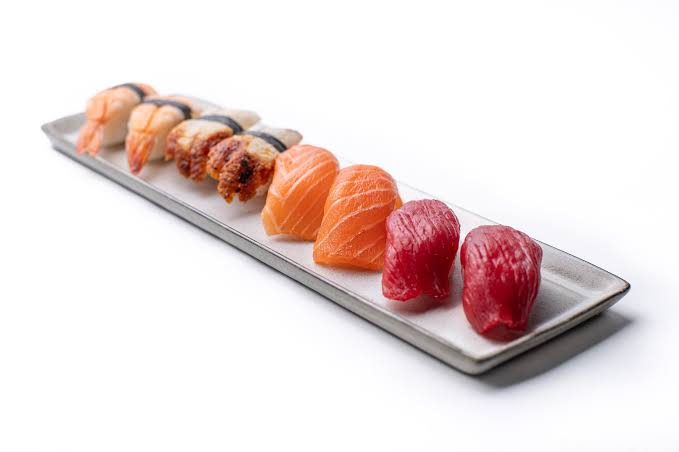
| Sushi style | Typical preparation | Flavor character | Texture |
|---|---|---|---|
| Eel nigiri | Cooked and glazed | Rich, savory, mildly sweet | Tender and soft |
| Salmon nigiri | Usually served raw | Buttery and delicate | Smooth |
| Tuna nigiri | Usually served raw | Clean and savory | Firm to tender |
| Shrimp nigiri | Cooked | Mild and slightly sweet | Firm |
This comparison shows why eel occupies its own place on a sushi menu. While many popular nigiri varieties emphasize the natural characteristics of raw seafood, eel depends heavily on cooking and seasoning to achieve its signature profile.
What Makes a Memorable Eel Nigiri
A memorable piece does not necessarily need elaborate decoration. Instead, quality often appears through restraint. The rice should hold together without becoming dense, while the eel should remain tender rather than dry. Furthermore, the sauce should provide depth without turning the dish excessively sweet. Temperature also matters because eel can become particularly appealing when served slightly warm against cool or room-temperature sushi rice. When these details work together, the result feels carefully composed rather than simply assembled.
Questions Diners Often Ask
Is eel nigiri cooked?
Yes. Eel used for traditional nigiri is generally cooked before serving, commonly through grilling or another controlled cooking process. This makes it different from many raw-fish nigiri varieties.
What does eel nigiri taste like?
Eel typically has a rich, savory flavor with a mild sweetness, particularly when finished with a traditional glaze. Its texture is generally soft and tender when prepared well.
Is unagi the same as eel?
Unagi commonly refers to freshwater eel in Japanese cuisine. The term is strongly associated with cooked eel dishes, including popular sushi preparations.
What should I look for in a restaurant?
Pay attention to the restaurant’s sushi menu, preparation descriptions, customer feedback, and consistency. A focused sushi menu and careful descriptions can provide useful indications of the kitchen’s approach.
Can beginners enjoy eel nigiri?
Absolutely. Because eel is cooked and usually accompanied by a flavorful glaze, it can be an approachable introduction to nigiri for people who are uncertain about raw seafood.
The Appeal of Searching Locally
The phrase sushi nigiri eel near me ultimately captures a very modern way of discovering food. A smartphone search can lead someone from a familiar neighborhood into an unfamiliar culinary tradition within minutes. Yet the best dining experiences often go beyond convenience. They encourage curiosity about ingredients, techniques, cultures, and the people preparing the food. In that sense, looking for eel nigiri is not simply about finding something nearby. It can become a small act of culinary exploration, connecting an everyday meal with a much broader food tradition.
Conclusion: More Than a Search Result
sushi nigiri eel near me represents a simple search with a surprisingly rich story behind it. Eel brings together cooking technique, traditional seasoning, sushi craftsmanship, and the enduring appeal of carefully balanced flavors. While restaurant quality and preparation styles naturally differ, the dish remains compelling because it combines familiarity with something distinctive. Ultimately, discovering a thoughtfully prepared piece of eel nigiri can transform an ordinary meal into a cultural and sensory experience—one where a small serving of sushi carries centuries of culinary influence to the modern table.