

Introduction: Trending Food and the New Culture of Eating
Trending food has become more than a passing interest in modern life. From colorful desserts and creative street food to international recipes shared across social media, popular dishes now influence how people cook, shop, and experience different cultures. Moreover, digital platforms have transformed ordinary meals into global conversations, allowing a recipe prepared in one kitchen to inspire millions of people elsewhere. However, behind every popular dish lies a combination of taste, creativity, cultural identity, and the human desire to discover something new.
How Social Media Turned Everyday Meals Into Global Sensations
Social media has dramatically changed the way people discover food. In the past, culinary trends often spread through restaurants, television programs, cookbooks, and personal recommendations. Today, a short video showing a satisfying crunch, colorful filling, or unusual combination can introduce a dish to audiences worldwide within hours.
Furthermore, platforms such as TikTok, Instagram, and YouTube make food discovery highly visual. Viewers can watch cheese stretch, sauces pour, and desserts come together in seconds. As a result, trending food often attracts attention before people even know its ingredients or origins.
Nevertheless, popularity does not always guarantee quality. Some dishes become famous because they look impressive on camera, while others remain popular because they deliver genuine flavor, convenience, and value. The strongest trends usually combine visual appeal with an enjoyable eating experience.
The Dishes Capturing Attention Around the World
Modern food culture brings together traditional recipes, inventive street snacks, and contemporary restaurant creations. Although individual trends change quickly, several categories continue to attract widespread interest.
One example is the rise of creative chocolate desserts, including pistachio-filled chocolate bars inspired by Middle Eastern flavors. Their combination of chocolate, nuts, and crunchy pastry demonstrates how texture and presentation can turn familiar ingredients into something distinctive.
Similarly, Korean-inspired dishes have gained international recognition. Korean fried chicken, tteokbokki, and visually appealing corn dogs offer bold flavors and textures that appeal to adventurous eaters. Meanwhile, Japanese-inspired desserts, including fluffy pancakes and matcha treats, attract people looking for delicate flavors and distinctive presentation.
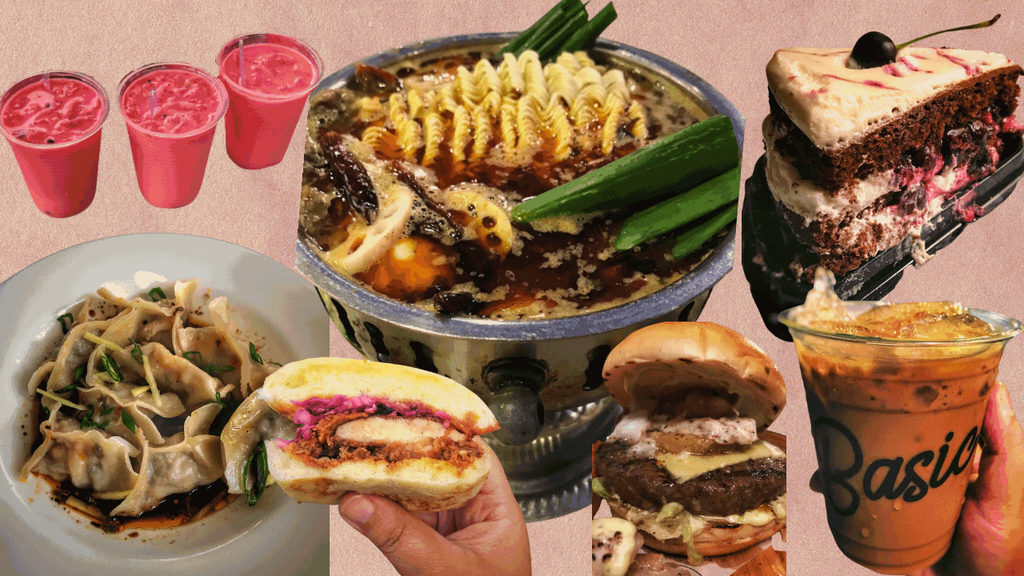
Street food also remains influential. Loaded fries, oversized sandwiches, spicy noodles, and inventive tacos demonstrate how familiar meals can be reinvented with new toppings, sauces, and cooking techniques.
However, not every successful dish needs an elaborate presentation. Traditional breads, regional soups, homemade dumplings, and comforting rice dishes continue to attract interest because they connect food with memory, family, and cultural heritage.
Why People Are Drawn to Viral Recipes
The popularity of trending food reflects more than hunger. For many people, discovering a new dish provides entertainment, inspiration, and a sense of participation in a shared cultural moment.
First, curiosity encourages experimentation. A recipe featuring unfamiliar ingredients may persuade someone to try a different cuisine or cooking technique. Consequently, food trends can introduce households to flavors they might never have encountered otherwise.
Second, the emotional appeal of food plays an important role. A homemade dessert can remind someone of childhood celebrations, while a traditional soup may evoke memories of family gatherings. Even a newly popular recipe can become meaningful when friends prepare it together.
Additionally, social participation contributes to a trend’s growth. People recreate recipes, share their results, and compare variations. This exchange transforms cooking from an individual activity into a collective experience.
Nevertheless, consumers should remember that online popularity is not a substitute for personal preference. A dish does not need millions of views to deserve a place at the dinner table.
Traditional Cuisine Meets Modern Food Innovation
One of the most interesting developments in contemporary food culture is the meeting of traditional cooking and modern creativity. Chefs, home cooks, and small food businesses increasingly reinterpret established recipes for new audiences.
For instance, traditional dumplings may receive unexpected fillings, while familiar flatbreads become the foundation for innovative wraps. Similarly, classic desserts can be adapted with regional spices, alternative toppings, or contemporary presentation styles.
These adaptations can help preserve culinary traditions by encouraging younger generations to explore them. At the same time, they raise important questions about authenticity and cultural recognition.
When a traditional dish becomes popular internationally, its origins deserve acknowledgment. Food has often developed through generations of local knowledge, migration, trade, and shared experiences. Therefore, celebrating a modern version should not mean overlooking the communities that created the original.
Ultimately, the most successful innovations respect the character of a dish while allowing room for experimentation.
How Food Trends Influence Restaurants and Small Businesses
Changing consumer interests can create valuable opportunities for restaurants, bakeries, cafés, and independent food sellers. A dish attracting attention online may encourage customers to visit a business specifically to experience it.
For small businesses, however, turning a temporary trend into a sustainable opportunity requires careful planning. Ingredients must remain available, preparation should be manageable, and prices must reflect both production costs and customer expectations.
Moreover, restaurants need to consider whether a popular dish fits their existing identity. Introducing one creative dessert or seasonal special may attract new customers without requiring an entire menu redesign.
Social media visibility can also benefit independent sellers who lack large advertising budgets. Clear photographs, honest descriptions, and engaging demonstrations can help them reach interested audiences.
Yet businesses should avoid depending entirely on viral attention. Consistent quality, good service, food safety, and fair pricing are more likely to build lasting customer relationships than novelty alone.
What Makes a Food Trend Worth Trying?
Not every popular recipe deserves equal attention. Before trying a new dish, consumers can consider several practical factors that make the experience more rewarding.
- Flavor: Look beyond appearance and consider whether the ingredients suit your preferences.
- Ingredients: Check availability, freshness, and possible dietary restrictions.
- Price: Compare the cost of preparing a recipe at home with buying it from a restaurant.
- Preparation: Consider whether the cooking method matches your available time and equipment.
- Cultural background: Learn about the dish’s origins instead of treating its history as an afterthought.
- Personal enjoyment: Choose foods because they appeal to you, not simply because everyone else is discussing them.
Furthermore, experimenting at home allows people to adjust spice levels, portion sizes, and ingredients according to their needs. A popular recipe can serve as a starting point rather than a rigid set of instructions.
The Role of Health and Sustainability in Modern Food Choices
As interest in new dishes grows, nutrition and sustainability deserve attention alongside taste and presentation. Some viral recipes feature substantial amounts of sugar, salt, or saturated fat, while others highlight vegetables, legumes, whole grains, and fresh ingredients.
However, it is more useful to consider overall eating patterns than to label an entire trend as either good or bad. A dessert can be enjoyed as part of a varied diet, just as a vegetable-based recipe can provide an opportunity to explore unfamiliar flavors.
Sustainability also matters. Choosing seasonal produce, reducing avoidable food waste, and using ingredients efficiently can make experimentation more practical.
In addition, home cooks can adapt recipes to use ingredients already available in their kitchens. This approach reduces unnecessary spending while encouraging creativity.
Ultimately, enjoyable food does not need to follow every new trend. Balanced choices, cultural curiosity, and personal satisfaction can coexist without turning eating into a competition.
Frequently Asked Questions About Trending Food
What does trending food mean?
Trending food refers to dishes, ingredients, cooking methods, or eating experiences receiving increased attention among consumers, restaurants, and online communities.
How do food trends become popular?
They may gain popularity through social media videos, celebrity recommendations, restaurant menus, cultural events, or word-of-mouth sharing. Visual appeal and accessibility can also help a dish reach wider audiences.
Are trending recipes worth trying?
Yes, if they match your interests, budget, and dietary needs. However, popularity alone does not determine whether a recipe will taste good or suit your preferences.
Can food trends help small businesses?
Yes. A popular dish can introduce new customers to a bakery, café, or restaurant. Nevertheless, maintaining quality and controlling costs remain essential for long-term success.
Conclusion: Beyond the Next Viral Dish
Trending food offers a fascinating perspective on how culture, technology, business, and everyday life intersect. Popular dishes can introduce unfamiliar cuisines, inspire creative cooking, and create opportunities for independent food businesses. At the same time, their popularity reveals how strongly people respond to shared experiences, visual storytelling, and the promise of discovering something enjoyable.
Nevertheless, food culture is richer than any temporary online sensation. Traditional recipes carry histories, family meals create memories, and local ingredients connect communities to their surroundings. Therefore, the most meaningful approach to modern food trends combines curiosity with appreciation.
Whether someone tries an internationally famous dessert, visits a neighborhood street-food stall, or experiments with a family recipe, the real value lies in the experience itself. Trends may change quickly, but the pleasure of sharing good food and discovering new flavors continues to bring people together.