
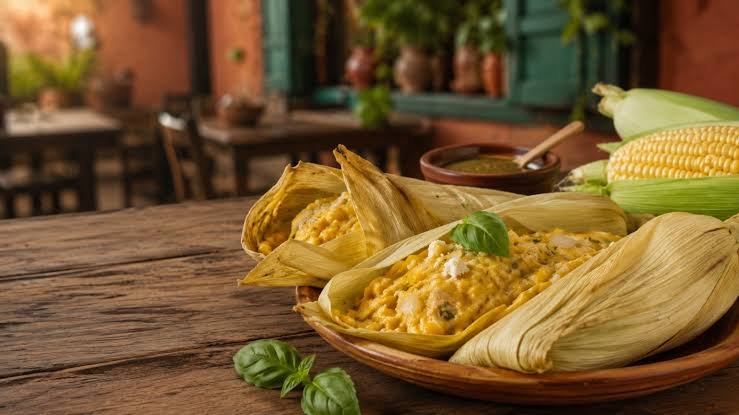
best humita en chala near me is more than a search for a comforting local dish; it is often a search for a small connection to South American culinary tradition. Humita en chala is a beloved preparation made primarily from fresh corn, commonly combined with onion, seasonings, and sometimes cheese, before being wrapped in corn husks and gently cooked. As a result, the dish carries both practical and cultural meaning. For diners discovering it for the first time, finding an authentic preparation can become an introduction to Argentina’s regional food traditions.
What Makes Humita en Chala So Distinctive?
Humita en chala stands apart because its cooking method is closely connected to the ingredient itself. Fresh corn is transformed into a soft, flavorful mixture, while the corn husk provides the natural wrapping. Traditionally, the preparation is seasoned rather than overwhelmed with complicated ingredients. Therefore, the final result can taste simple yet remarkably expressive. Depending on the region and cook, the filling may have a sweeter, creamier, or more savory character. That regional flexibility is part of what makes humita en chala interesting to explore.
The Meaning Behind the Corn-Husk Wrapper
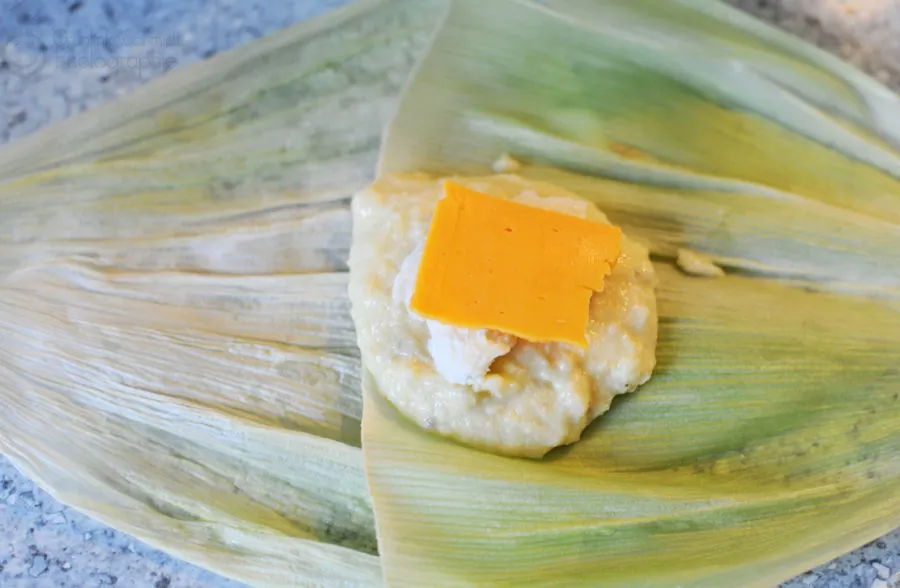
The corn husk is not merely decorative packaging. Instead, it reflects an older culinary practice in which available agricultural ingredients were used efficiently. Wrapping food in leaves or husks allowed cooks to prepare, protect, and steam food using relatively simple equipment. Consequently, humita en chala represents a broader South American tradition of turning everyday crops into meaningful meals. The wrapper also contributes to the experience of eating the dish because opening the bundle reveals the warm filling inside. For many diners, that moment is part of the dish’s appeal.
Why People Search for the Best Humita en Chala Near Me
When people search for the best humita en chala near me, they are usually looking for more than convenience. They may want a dish that tastes homemade, uses fresh corn, and reflects the culinary traditions associated with it. Furthermore, diners often rely on local restaurants, Argentine cafés, Latin American markets, and family-run eateries to discover regional specialties. Online searches can narrow the options, but the most useful clues often come from menus, customer descriptions, photographs, and information about how the dish is prepared.
Fresh Corn Is at the Heart of the Dish
Corn determines much of humita’s character, so freshness matters. A good preparation should allow the natural flavor of corn to remain noticeable rather than hiding it beneath excessive seasoning. Depending on the recipe, the corn may be grated, ground, or processed into a textured mixture before cooking. Meanwhile, onion and herbs can provide additional depth. Some versions include cheese, creating a richer filling. Ultimately, the balance between sweetness, savory seasoning, texture, and moisture is what gives humita en chala its distinctive culinary identity.
Regional Traditions Give Humita Different Personalities
Although humita is strongly associated with the Andes and South American cuisine, recipes vary considerably from one place to another. In Argentina, humita can appear in different forms, including preparations cooked inside corn husks. Elsewhere, related versions may be prepared differently or served in another style. As a result, there is no single recipe that completely defines the dish. Instead, humita belongs to a family of traditions shaped by geography, available ingredients, household habits, and generations of cooking knowledge.
What to Look for When Ordering Locally
Searching for the best humita en chala near me becomes easier when diners know what details matter. First, look for restaurants that clearly identify the dish as a traditional regional preparation rather than simply using the name as a novelty. Next, examine descriptions for fresh corn, corn husks, onion, herbs, and other recognizable ingredients. Reviews can also reveal useful information about portion size, texture, seasoning, and authenticity. However, personal taste remains important because one diner may prefer a sweeter humita while another prefers a more savory version.
Humita as Comfort Food and Cultural Memory
Food often carries memories that cannot be explained by ingredients alone. For families with South American roots, dishes such as humita may recall holidays, family kitchens, regional celebrations, or meals prepared by older relatives. Even for newcomers, the dish can offer a sense of discovery. Moreover, its simple ingredients make the cultural story approachable. A plate of humita en chala can therefore function as both food and storytelling: the corn connects the meal to agriculture, while the preparation connects it to people and traditions.
The Experience of Eating Humita en Chala
Part of the enjoyment comes from slowing down and appreciating how the dish arrives. The corn-husk wrapping creates anticipation, while the warm aroma becomes noticeable as it is opened. Usually, the soft filling is eaten directly from the husk or transferred carefully to a plate. Because the dish is relatively simple, its texture and seasoning become especially important. In addition, enjoying it alongside other regional foods can create a broader introduction to South American cuisine. The experience becomes less about simply filling a plate and more about understanding the tradition behind it.
How Local Restaurants Keep the Tradition Relevant
Modern restaurants increasingly introduce traditional dishes to diners who may have never encountered them before. Nevertheless, preserving the identity of a food does not always mean refusing change. Chefs may adjust presentation, seasoning, or portion size while maintaining the essential idea of corn-based filling cooked in its natural wrapper. Consequently, humita can move comfortably between a family kitchen and a contemporary restaurant menu. This ability to adapt helps traditional foods remain visible while allowing new generations of diners to discover their cultural significance.
Questions Diners Often Have About Humita
Is humita en chala sweet or savory?
It can have both qualities. Fresh corn naturally contributes sweetness, while onion, herbs, spices, and cheese can create a more savory profile.
What does “en chala” mean?
It refers to preparing the humita inside the corn husk, which acts as the natural wrapper during cooking.
Where is humita traditionally associated with?
Humita is strongly connected with Andean and South American culinary traditions, with regional versions found across several countries.
Can humita en chala be vegetarian?
Yes. Many traditional-style preparations are based on corn, vegetables, seasonings, and sometimes cheese, although recipes vary by restaurant.
How can I find a good local version?
Look for restaurants specializing in Argentine or broader South American cuisine, then compare menu descriptions and recent customer reviews before ordering.
Finding a Dish That Tells a Bigger Story
The search for the best humita en chala near me ultimately reveals why traditional foods continue to attract modern diners. Behind the warm corn filling is a history of agriculture, regional identity, family cooking, and practical culinary knowledge. Furthermore, every restaurant may interpret the dish slightly differently, creating an opportunity to compare textures, seasonings, and presentation. For anyone interested in South American cuisine, humita en chala offers a particularly inviting starting point: humble ingredients, a distinctive preparation, and a cultural story that remains alive with every serving.