
Introduction: Argentine Desserts Near Me and the Joy of Discovering Authentic Flavors
Argentine Desserts Near Me is a search that can lead to much more than a satisfying treat. It opens a door to Argentina’s rich culinary traditions, where European influences, local ingredients, and family recipes come together in memorable ways. From creamy dulce de leche pastries to delicate alfajores and traditional cakes, Argentine desserts offer a wonderful balance of sweetness, texture, and cultural heritage. Whether you are exploring a neighborhood bakery or searching for an authentic South American café, these desserts provide a delicious introduction to Argentina’s food culture.
Why Argentine Desserts Hold a Special Place in Food Culture
Argentina’s dessert traditions reflect centuries of cultural exchange. Spanish and Italian immigration helped shape the country’s baking culture, while local ingredients and regional preferences gave familiar recipes a distinctive identity. As a result, Argentine sweets combine European pastry techniques with flavors that have become deeply associated with Argentina.
Moreover, desserts often play an important role in everyday social life. Families share pastries during afternoon gatherings, friends meet over coffee and something sweet, and celebrations frequently feature traditional cakes. Consequently, discovering Argentine desserts is not simply about finding something delicious; it is also about experiencing a food culture built around hospitality, conversation, and shared memories.
Alfajores: Argentina’s Beloved Sweet Sandwich Cookies
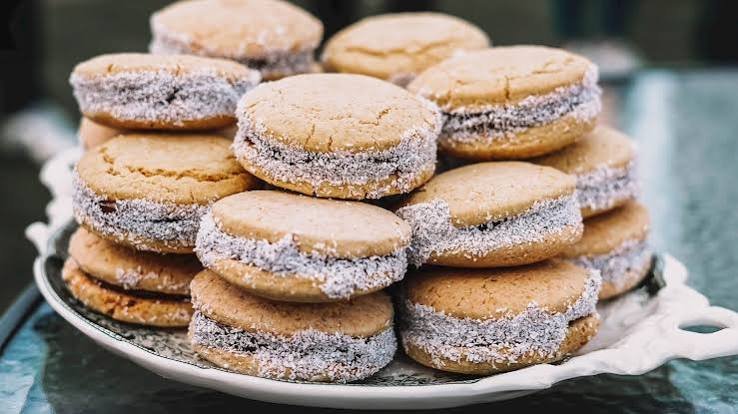
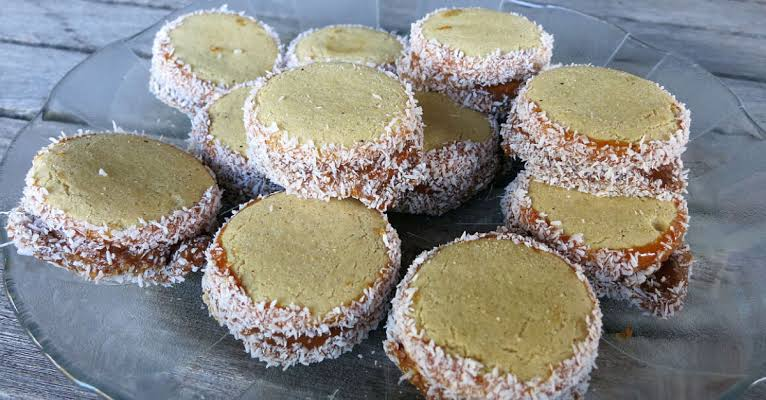
Alfajores are among the most recognizable Argentine sweets. Typically, they consist of two soft cookies joined by dulce de leche, a rich caramel-like spread made by slowly heating sweetened milk. Depending on the variety, the outside may be coated in chocolate, rolled in coconut, or dusted with powdered sugar.
Their appeal comes from the contrast between delicate cookies and a smooth, sweet filling. Furthermore, alfajores are available in numerous regional and bakery styles, making them an excellent starting point for anyone exploring Argentine confectionery.
When searching for Argentine desserts nearby, look for bakeries that prepare alfajores fresh or offer several traditional varieties. A good selection allows you to compare textures, fillings, and coatings while discovering how a simple combination of ingredients can become a national favorite.
Dulce de Leche: The Flavor Behind Many Argentine Favorites
Dulce de leche is central to Argentina’s dessert identity. Its smooth consistency and deep caramel flavor appear in cakes, cookies, pastries, ice cream, and other confections. Although similar milk-based sweets exist elsewhere in Latin America, dulce de leche has a particularly strong place in Argentine baking and home cooking.
For example, it provides the signature filling in many alfajores and adds richness to layered cakes. Meanwhile, pastry chefs use it to decorate desserts, create creamy fillings, and balance the texture of crisp pastry shells.
If you are exploring a local Argentine bakery, consider choosing a dessert that features dulce de leche prominently. It offers a useful introduction to the flavor that connects many otherwise different Argentine sweets.
Rogel Cake: A Celebration of Layers and Sweetness
Rogel is a striking Argentine cake made from thin pastry layers separated by dulce de leche. Traditionally, its tall structure is finished with a generous topping of meringue, creating an elegant contrast between crisp or delicate pastry, creamy filling, and airy sweetness.
Because preparing the layers requires patience and careful assembly, Rogel often feels like a special-occasion dessert. It may appear at birthdays, family celebrations, and festive gatherings, where its impressive appearance makes it a natural centerpiece.
When looking for authentic Argentine desserts, ask whether a bakery prepares Rogel in-house. Freshness, balanced sweetness, and well-defined layers can make a meaningful difference to the overall experience.
Pastafrola: A Traditional Tart with Homemade Character
Pastafrola is a classic Argentine tart commonly filled with quince paste, known as dulce de membrillo. Some versions use sweet potato paste or other regional fillings. Its distinctive lattice crust gives it a recognizable appearance, while the tender pastry provides a satisfying contrast to the dense, fruity center.
Unlike elaborate celebration cakes, pastafrola often carries the comforting character of home baking. It is associated with family kitchens, afternoon snacks, and relaxed gatherings. In addition, its relatively simple ingredients demonstrate how traditional recipes can remain popular across generations.
For visitors unfamiliar with Argentine sweets, pastafrola is an excellent choice when they want something less dominated by chocolate or caramel. Its fruit-based filling delivers a different expression of the country’s dessert traditions.
Chocotorta: Argentina’s No-Bake Chocolate Favorite
Chocotorta is a popular Argentine dessert made by layering chocolate cookies with a creamy mixture commonly prepared from dulce de leche and cream cheese. The layers soften as the dessert chills, producing a rich, cake-like texture without requiring an oven.
Its straightforward preparation has made it a favorite for birthdays, family gatherings, and home celebrations. Furthermore, the recipe demonstrates how everyday ingredients can become something memorable when combined thoughtfully.
Not every traditional bakery carries chocotorta daily, so checking a café’s dessert menu before visiting can be helpful. When available, it is an appealing option for anyone who enjoys chocolate and creamy textures.
Medialunas and Sweet Argentine Pastries
Medialunas are crescent-shaped pastries that resemble croissants but generally have a softer, sweeter character. They are especially associated with Argentine breakfast and merienda, the afternoon break often enjoyed with coffee, tea, or mate.
Although medialunas are not always classified as desserts, their buttery texture and lightly sweet flavor make them a natural choice for anyone exploring Argentine baked goods. Some bakeries also offer pastries filled with dulce de leche or finished with a light syrup glaze.
For the most enjoyable experience, visit a bakery early in the day and ask whether the medialunas are freshly baked. Pairing them with coffee can offer a simple yet authentic taste of an everyday Argentine ritual.
Where to Look for Argentine Desserts Near You
Finding Argentine sweets depends on the variety of bakeries, cafés, and Latin American food businesses in your area. Fortunately, several practical approaches can help you identify promising options without relying entirely on a restaurant’s name or appearance.
Start by searching online maps for Argentine bakeries, South American cafés, and Latin American dessert shops. Then, examine recent customer photographs and menus to see whether the business actually serves Argentine specialties rather than general pastries alone.
You can also check local community groups, food markets, and bakery social media pages. Smaller businesses sometimes advertise alfajores, Rogel cake, or homemade pastafrola through their social channels instead of maintaining a detailed website.
Before visiting, confirm availability, opening hours, and whether the dessert is made in-house. Since specialty sweets may be prepared in limited batches, calling ahead can save time and help you discover seasonal or weekend offerings.
How to Choose the Right Argentine Dessert
The best choice depends on your preferred flavors, texture, and occasion. Some Argentine desserts are rich and creamy, while others emphasize fruit, delicate pastry, or chocolate. Therefore, understanding the differences can make the search more rewarding.
| Dessert | Main characteristics | Best suited for |
|---|---|---|
| Alfajores | Soft cookies with dulce de leche | A portable sweet or coffee break |
| Rogel | Thin pastry layers and meringue | Celebrations and special occasions |
| Pastafrola | Lattice pastry with fruit paste | Afternoon tea and traditional snacks |
| Chocotorta | Chocolate cookies and creamy filling | Chocolate lovers and casual gatherings |
| Medialunas | Soft, sweet crescent pastries | Breakfast or an afternoon café visit |
If you enjoy caramel-like flavors, begin with alfajores or Rogel. However, if you prefer fruit-based sweets, pastafrola may be a better introduction. Meanwhile, chocotorta is an excellent option for those who favor rich chocolate desserts.
The Cultural Meaning of Sharing Argentine Sweets
Food often preserves memories in ways that written histories cannot fully capture. In Argentina, familiar pastries and cakes frequently connect people with family traditions, neighborhood bakeries, and celebrations that return year after year.
For many families, recipes are passed between generations and adapted according to personal taste. One household may prefer a particular alfajor filling, while another might consider homemade pastafrola essential to an afternoon gathering. These differences are part of what makes food traditions meaningful rather than fixed.
Argentine desserts also help maintain cultural connections beyond Argentina. Bakeries established by Argentine communities abroad can introduce traditional flavors to new audiences while providing familiar tastes for people living far from home. As a result, a small pastry shop can become both a local food destination and a place where cultural identity remains visible.
Tips for Enjoying an Authentic Argentine Dessert Experience
A little preparation can make your visit more enjoyable. First, ask which sweets are traditional house specialties rather than assuming every bakery offers the same selection. Since recipes vary, trying a specialty recommended by the baker can reveal something distinctive about the business.
Next, consider ordering a smaller selection to share. This approach lets you compare different flavors without committing to a single large dessert. In addition, pairing a sweet pastry with coffee or tea can balance richer fillings and create a more relaxed tasting experience.
Finally, keep an open mind about regional and family variations. Authenticity does not always mean that every bakery produces an identical recipe. Instead, it often reflects the use of familiar ingredients, established techniques, and a genuine connection to Argentine food traditions.
Frequently Asked Questions About Argentine Desserts
What is the most famous Argentine dessert?
Alfajores are among Argentina’s best-known sweets, particularly when filled with dulce de leche. Rogel cake, chocotorta, and pastafrola are also popular choices.
What is dulce de leche?
Dulce de leche is a thick, sweet milk-based spread with a caramel-like flavor. It is widely used in Argentine cakes, cookies, pastries, and other desserts.
Are Argentine desserts usually very sweet?
Many traditional recipes are rich and sweet, especially those featuring dulce de leche. However, fruit-filled pastries such as pastafrola offer a different flavor profile, so there are options for different preferences.
How can I find authentic Argentine desserts nearby?
Search for Argentine bakeries, South American cafés, and Latin American specialty shops. Review menus and recent photographs, and contact the business to confirm that the particular desserts you want are available.
Which Argentine dessert should I try first?
Alfajores are an accessible introduction because they are widely recognized and easy to share. If you prefer cakes, try Rogel or chocotorta, while pastafrola is an appealing choice for those who enjoy fruit-based fillings.
Conclusion: Discovering Argentine Desserts Through Flavor and Tradition
Argentine Desserts Near Me represents more than a search for a bakery or a sweet treat. It offers an opportunity to discover a culinary tradition shaped by migration, family customs, regional ingredients, and the pleasure of sharing food. From the familiar sweetness of alfajores to the layered elegance of Rogel and the homemade character of pastafrola, each dessert tells a slightly different story.
Ultimately, the most memorable discovery may not be the most elaborate pastry or the most famous recipe. Instead, it may be a freshly baked sweet enjoyed over coffee, a family-style cake shared with friends, or a neighborhood bakery that preserves a cherished tradition. By exploring local menus with curiosity and an appreciation for cultural context, you can turn an ordinary dessert search into a meaningful introduction to Argentina’s rich and welcoming food heritage.