
Introduction: Best Alfajores Argentinos Near Me and the Taste of Argentina
Best Alfajores Argentinos Near Me is a search that often begins with a simple craving but leads to a delicious discovery of Argentine food culture. These traditional sandwich cookies combine delicate biscuits, creamy dulce de leche, and, in many varieties, a coating of chocolate or a dusting of coconut. Although alfajores are available in different countries, Argentina has developed a distinctive tradition around them. Consequently, finding an excellent alfajor means looking beyond sweetness to explore craftsmanship, regional character, and the memories associated with every bite.
What Makes Argentine Alfajores Different From Ordinary Cookies?
Argentine alfajores are not simply two cookies joined by a filling. Instead, they represent a carefully balanced combination of texture, sweetness, and flavor. The biscuits may be soft and crumbly, while the dulce de leche provides a smooth, caramel-like center. Furthermore, chocolate coatings and coconut edges introduce contrasting textures that make each variety distinctive.
Unlike ordinary cookies, alfajores are designed to bring several elements together in one dessert. Some versions have a delicate, almost melting consistency, whereas others offer a firmer biscuit beneath a generous filling. Therefore, when searching locally, consider the quality of the ingredients and the balance between the biscuits and dulce de leche rather than choosing solely by appearance.
Where to Find the Best Alfajores Argentinos Near Me
Finding an authentic alfajor nearby can be easier when you know which establishments to explore. Argentine bakeries are an obvious starting point because they may prepare traditional recipes using familiar ingredients and techniques. However, Latin American cafés, specialty dessert shops, and international food stores can also carry excellent options.
In addition, some independent bakeries offer handmade alfajores for special orders, celebrations, or weekend treats. Search for Argentine bakeries, read recent customer reviews, and examine product photographs before visiting. If a shop lists its ingredients or describes its baking methods, those details can help you make a more informed choice. Ultimately, the best local option is one that combines freshness, flavor, and reliable preparation.
Understanding the Main Types of Argentine Alfajores
Argentina offers several popular alfajor varieties, each with its own character. Although recipes differ between bakeries and regions, a few styles are especially recognizable.
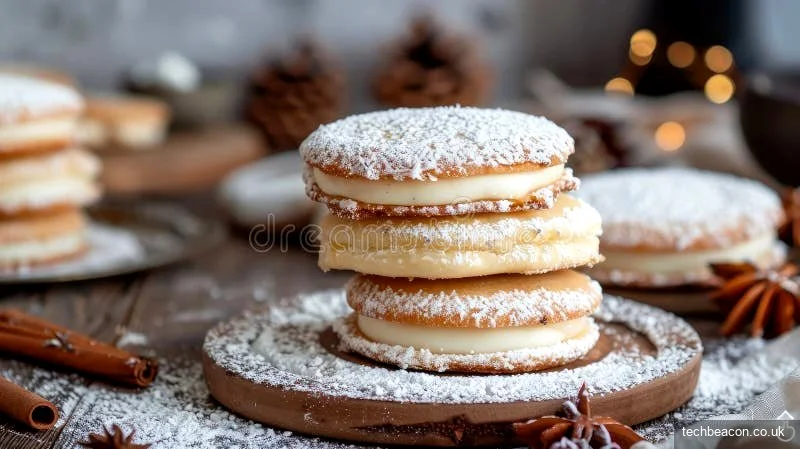
- Alfajores de maicena: These traditional treats use cornstarch in the biscuit dough, creating a tender, delicate texture. They are commonly filled with dulce de leche and finished with shredded coconut around the edges.
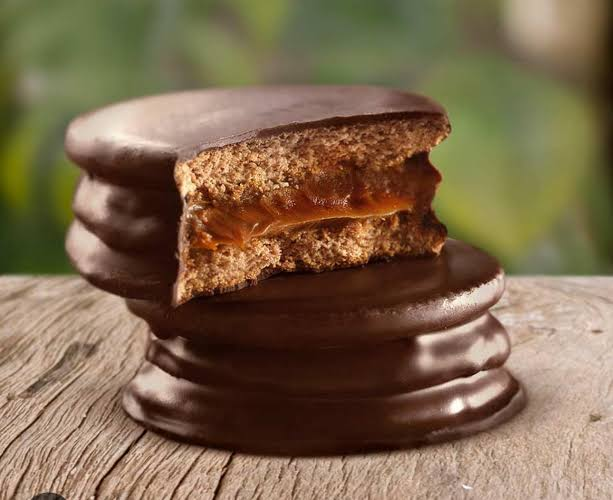
- Chocolate-covered alfajores: These feature a sweet filling enclosed between biscuits and coated in chocolate. Depending on the recipe, the coating may be dark, milk, or white chocolate.
- Alfajores de nieve: Often associated with a light, pale exterior, these varieties can have a delicate sugar coating that complements their soft interior.
- Regional alfajores: Different Argentine regions have their own interpretations, including variations in biscuit texture, filling, and coating.
When exploring local bakeries, try more than one style if possible. This approach reveals how a seemingly simple dessert can offer a surprisingly broad range of flavors.
Why Dulce de Leche Is at the Heart of the Experience
Dulce de leche gives many Argentine alfajores their unmistakable identity. Made by slowly heating sweetened milk until it develops a rich caramel color and flavor, this ingredient provides both sweetness and a creamy consistency. In an alfajor, it acts as the connection between the biscuits, transforming separate components into a unified dessert.
Nevertheless, a generous filling does not automatically guarantee quality. The best examples balance the richness of the dulce de leche with the biscuit’s texture. If the filling overwhelms everything else, the dessert may feel excessively sweet. Conversely, a well-balanced alfajor offers a satisfying combination of buttery, milky, and caramel-like notes without losing its individual character.
How to Recognize a High-Quality Alfajor
Appearance can offer useful clues, but freshness, texture, and flavor are more important when choosing a good alfajor. A well-made example should feel thoughtfully assembled, with a filling that complements the biscuits rather than spilling out excessively or disappearing between them.
Consider these practical details when comparing local options:
- Freshness: Ask when the alfajores were prepared and check the recommended storage conditions.
- Texture: The biscuits should suit the style, whether tender and crumbly or slightly firmer.
- Filling: Look for a balanced layer of dulce de leche that complements the biscuit.
- Coating: Chocolate should contribute flavor and texture without completely overpowering the center.
- Ingredients: Clear ingredient information is especially helpful for people managing allergies or dietary restrictions.
- Overall balance: The best alfajores combine sweetness, richness, and texture in a satisfying way.
Additionally, customer reviews can help identify bakeries known for consistent quality. However, personal taste still matters, so sampling different varieties is often the most rewarding way to decide.
Argentine Alfajores as a Cultural Tradition
Alfajores occupy a familiar place in Argentine everyday life. They can accompany coffee, appear in lunchboxes, serve as an afternoon snack, or become a small gift for friends and family. Although the broader history of alfajores reaches beyond Argentina, the country has developed its own recognizable styles and strong affection for these sweets.
Moreover, alfajores connect commercial confectionery with home baking. Packaged versions are widely enjoyed, while homemade varieties often carry personal touches shaped by family recipes. For many people, their appeal lies not only in flavor but also in familiarity: a particular biscuit can recall childhood visits, road trips, school breaks, or afternoons spent with relatives.
This cultural connection helps explain why the search for a good alfajor can feel more meaningful than finding an ordinary dessert. It becomes an opportunity to experience a small part of Argentine food heritage.
Enjoying Alfajores With Coffee and Other Drinks
Pairing an alfajor with the right drink can make its flavors more enjoyable. Coffee is a natural companion because its roasted notes provide a contrast to the sweetness of dulce de leche. An espresso offers a concentrated counterpoint, while a milky coffee creates a softer, more indulgent combination.
Tea can work equally well, particularly when served without excessive sweetness. Meanwhile, cold milk pairs comfortably with traditional cornstarch biscuits, highlighting their delicate texture. For chocolate-covered alfajores, black coffee or lightly brewed tea can help balance the richer coating.
There is no single correct pairing, however. The ideal choice depends on the alfajor’s filling, coating, and sweetness, as well as individual preference. Therefore, experimenting with familiar drinks can turn a simple snack into a more considered tasting experience.
Are Handmade Alfajores Better Than Packaged Versions?
Handmade and packaged alfajores each have advantages. Small bakeries may offer distinctive recipes, freshly prepared batches, and fillings adjusted to suit their particular style. In contrast, established packaged brands often provide consistent flavors, convenient portions, and longer shelf lives when properly sealed and stored.
| Feature | Handmade alfajores | Packaged alfajores |
|---|---|---|
| Flavor | May reflect a bakery’s individual recipe | Often consistent between batches |
| Variety | Can include small-batch specialties | Depends on the brand’s product range |
| Freshness | Depends on preparation and storage | Depends on packaging and shelf life |
| Convenience | May require a bakery visit or preorder | Often easier to carry and store |
Neither category is automatically superior. Instead, compare the ingredients, freshness, texture, and price to discover which option suits your preferences. A carefully made packaged alfajor can be excellent, just as a handmade one can vary in quality.
How to Make Your Search More Successful
A little preparation can make finding the right dessert much easier. Begin by searching for Argentine bakeries and Latin American cafés in your area. Then, check menus, opening hours, recent reviews, and available product photographs. If the business does not list alfajores online, contact it directly to ask whether they are available.
It is also worth checking whether the bakery sells individual pieces or assorted boxes. Buying one or two at first allows you to sample the texture and filling before committing to a larger order. Furthermore, ask whether advance ordering is necessary for handmade varieties.
If you cannot find an Argentine specialist nearby, a reputable bakery that prepares Latin American desserts may offer a suitable alternative. The key is to look for evidence of careful preparation rather than assuming that every product labelled an alfajor follows the same recipe.
Frequently Asked Questions About Argentine Alfajores
What is the traditional filling in Argentine alfajores?
Dulce de leche is the most recognizable filling in many Argentine alfajores. It provides a creamy consistency and rich caramel-like flavor that complements the biscuits.
Are all Argentine alfajores covered in chocolate?
No. Some are coated in chocolate, while others are finished with powdered sugar or shredded coconut. The coating depends on the particular recipe and style.
Are alfajores the same as macarons?
No. Although both can feature two outer pieces and a filling, their ingredients, preparation methods, textures, and culinary traditions are different.
How should alfajores be stored?
Follow the bakery’s storage instructions because the ideal conditions depend on the ingredients and recipe. Some products are shelf-stable, while others may require refrigeration or more careful handling.
Can I find Argentine alfajores outside Argentina?
Yes. International bakeries, specialty food shops, online retailers, and Latin American cafés may stock them. Availability varies by location, so checking menus and contacting businesses beforehand can save time.
Conclusion: Finding the Best Alfajores Argentinos Near Me
The search for Best Alfajores Argentinos Near Me offers more than an opportunity to satisfy a sweet craving. It introduces a dessert shaped by Argentine culinary traditions, regional interpretations, and everyday moments of sharing. From delicate alfajores de maicena to chocolate-covered varieties filled with dulce de leche, each style provides a different way to appreciate the balance of texture and flavor.
Ultimately, the most rewarding choice is the alfajor that suits your taste while reflecting thoughtful preparation. Explore local bakeries, compare traditional varieties, and take time to appreciate the ingredients behind each creation. Whether enjoyed alongside a morning coffee or shared with friends in the afternoon, an excellent alfajor demonstrates how a small dessert can carry a remarkable amount of cultural character and personal enjoyment.