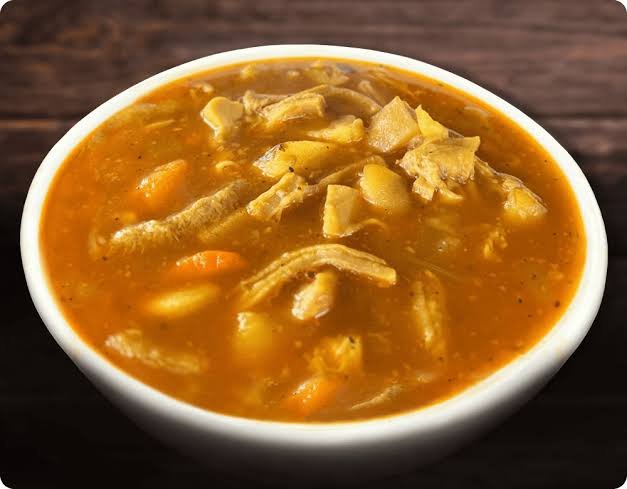
best mondongo soup near me is more than a search for a comforting meal; it reflects a desire to discover food with character, tradition, and a sense of place. Mondongo soup, prepared in different ways across Latin America and the Caribbean, has long been associated with home cooking, family gatherings, and recipes passed between generations. Consequently, finding a memorable bowl is not simply about locating a nearby restaurant. It is about discovering how a community interprets a traditional dish and turns humble ingredients into something deeply satisfying.
What Makes Mondongo Soup So Distinctive?
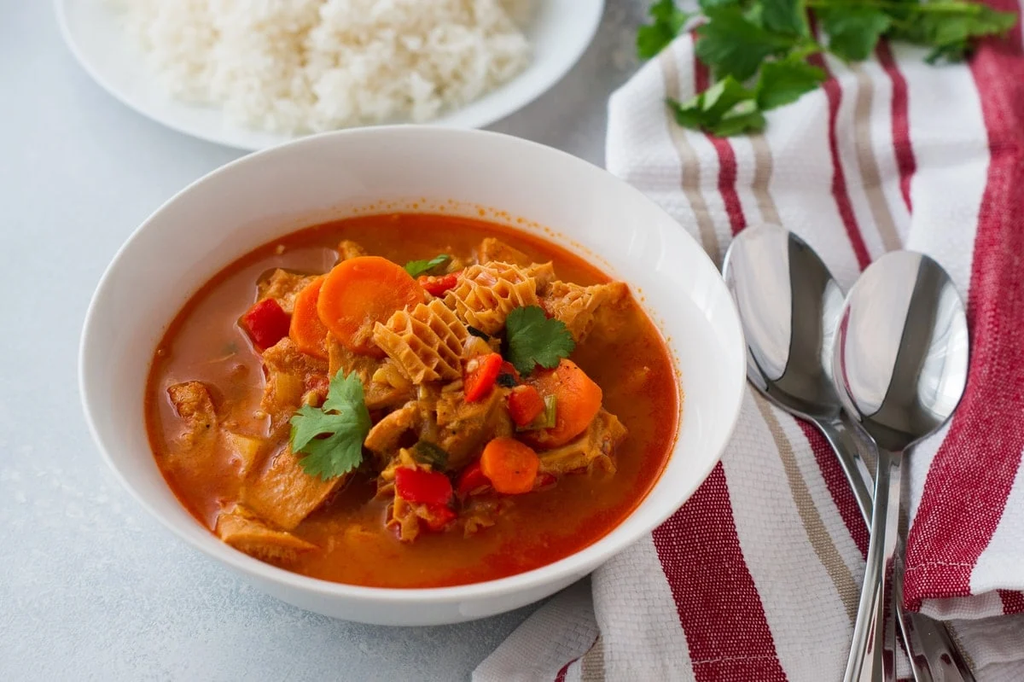
Mondongo is generally recognized as a hearty soup or stew centered on tripe, although recipes vary considerably from one country and household to another. Depending on the regional tradition, cooks may add vegetables, herbs, corn, potatoes, plantains, beans, or other ingredients. The result can range from a richly seasoned broth to a thick, almost stew-like preparation.
Moreover, the dish has a character that is difficult to separate from its slow-cooking tradition. Mondongo is rarely about speed. Instead, it rewards patience, careful seasoning, and thoughtful preparation. That quality helps explain why a well-made bowl can feel considerably more substantial than an ordinary restaurant soup.
Searching for the Right Bowl Nearby
When people search for best mondongo soup near me, convenience is usually only the starting point. They may also be looking for authenticity, generous portions, traditional flavor, or a restaurant with a welcoming atmosphere.
Therefore, it helps to consider several factors rather than relying on distance alone. A restaurant serving the soup may have a regional interpretation that differs from another nearby establishment. One kitchen might emphasize vegetables and herbs, while another creates a richer broth with stronger seasoning.
The best local discovery often comes from looking beyond a restaurant’s menu description and considering customer experiences, preparation style, portion size, and the cultural background of the cuisine.
Regional Traditions Give Mondongo Its Personality
One of the most fascinating aspects of mondongo is its geographical diversity. Similar preparations appear throughout Latin America and the Caribbean, yet each food culture gives the dish its own identity.
For example, Colombian versions can feature vegetables and root crops, while Caribbean interpretations may incorporate different seasonings and ingredients. In other regions, the soup can become particularly thick and substantial. As a result, there is no single definition of what an authentic bowl must taste like.
This diversity is important because it changes how diners should approach the dish. Rather than expecting every restaurant to reproduce the same recipe, diners can appreciate the regional story behind each interpretation.
Ingredients That Shape the Experience
A successful bowl depends on balance. The tripe needs to be prepared carefully, while the broth must carry enough seasoning to give the soup depth without overwhelming its other components.
Vegetables contribute texture and sweetness, while herbs and spices provide aroma. Likewise, ingredients such as potatoes, corn, cassava, or plantains can make the dish more filling and introduce contrasting textures.
Most importantly, preparation matters. Mondongo traditionally benefits from extended cooking, allowing its ingredients to develop a unified flavor. Consequently, a bowl that tastes layered and cohesive often reflects considerably more work in the kitchen than its simple appearance suggests.
Why Locals Often Have the Best Recommendations
Online searches can identify restaurants, but local knowledge can add another dimension. Someone who grew up eating mondongo may immediately recognize the difference between a familiar family-style recipe and a modern interpretation.
For that reason, conversations with local diners can be surprisingly useful. Neighborhood food groups, community recommendations, and regular customers may point toward small restaurants that receive less attention from mainstream food coverage.
Furthermore, asking what style of mondongo a restaurant serves can reveal whether its preparation aligns with what a diner is expecting. The question is not necessarily about finding one universally superior recipe; it is about finding the interpretation that fits the diner’s own expectations.
A Meal Connected to Family and Memory
Food traditions often survive because they are attached to memories. Mondongo can evoke weekends with relatives, large family tables, celebrations, or the familiar aromas of a kitchen where a recipe has been prepared repeatedly.
That emotional dimension helps explain the dish’s enduring appeal. While restaurant menus increasingly feature sophisticated presentations and modern culinary techniques, traditional soups continue to offer something different: familiarity.
In addition, the dish demonstrates how food can preserve cultural identity. Recipes may change slightly as families move between countries or generations, yet the underlying tradition remains recognizable. A restaurant bowl can therefore become a small expression of a much larger cultural history.
How to Judge a Restaurant’s Version
Rather than focusing on a single characteristic, diners can evaluate several elements when trying a new bowl:
| What to consider | Why it matters |
|---|---|
| Broth | Should have depth and balanced seasoning |
| Texture | Ingredients should be tender without becoming shapeless |
| Tripe preparation | Careful preparation strongly affects the eating experience |
| Vegetables | Add flavor, texture, and regional character |
| Portion | Indicates whether the dish works as a substantial meal |
| Overall balance | No single ingredient should dominate unnecessarily |
Naturally, personal taste still matters. Some diners prefer a lighter broth, whereas others want a richer and more intensely seasoned preparation.
The Comfort of a Slow-Cooked Tradition
There is something particularly appealing about eating a soup whose identity comes from patience. In a world where meals are increasingly designed around convenience, mondongo represents another culinary rhythm.
The long preparation associated with the dish creates an interesting contrast. Its ingredients may be humble, yet the finished result can be complex. Similarly, its presentation may look rustic, but its cultural significance can be considerable.
That contrast is part of the charm. Mondongo does not need elaborate presentation to communicate craftsmanship. Its story is largely told through aroma, texture, warmth, and the memories associated with the recipe.
Making the Most of Your Local Search
If you are actively searching for best mondongo soup near me, begin by identifying restaurants that specialize in Latin American, Colombian, Caribbean, or regional cuisine. Then examine recent customer comments for specific references to the soup rather than relying solely on overall restaurant ratings.
Additionally, check whether the dish is served every day. Traditional soups are sometimes offered only on particular days because their preparation requires substantial time.
Finally, consider asking the restaurant about its regional style. That simple conversation can make the meal more meaningful because it provides context for what arrives at the table.
Why Mondongo Still Matters
Ultimately, the enduring appeal of mondongo comes from its ability to connect practicality with tradition. Historically, dishes made from inexpensive or less celebrated ingredients often became important parts of regional cuisines because skilled cooks knew how to transform them.
Today, that culinary knowledge remains valuable. A thoughtfully prepared bowl demonstrates that memorable food does not necessarily depend on expensive ingredients. Instead, it can emerge from patience, seasoning, technique, and cultural continuity.
Conclusion
The search for best mondongo soup near me can begin with a phone or computer, but the experience ultimately belongs at the table. A good bowl offers warmth and nourishment, while a memorable one also communicates something about the people and traditions behind it.
Whether served in a family-run restaurant, a neighborhood kitchen, or a contemporary Latin American dining room, mondongo remains a dish with remarkable cultural depth. Its variations remind us that authenticity is not always about following one fixed recipe. Instead, it can mean preserving the spirit of a tradition while allowing each community to make the dish its own.