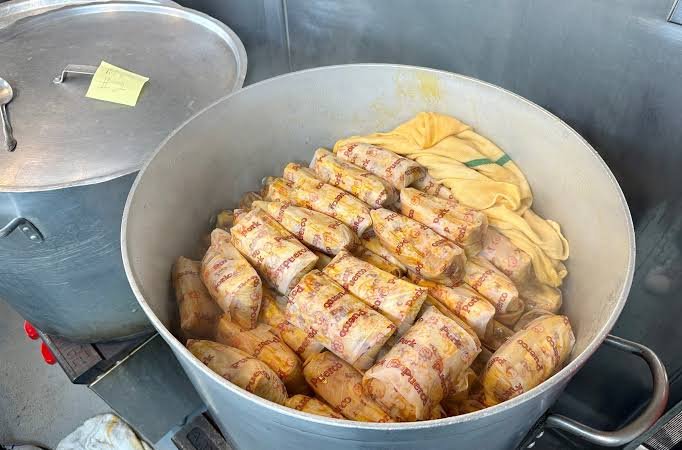
best tamal costeño near me is more than a search for a satisfying meal; it can be an invitation to explore one of the most distinctive expressions of Colombia’s Caribbean food culture. Wrapped in leaves and built around seasoned corn-based dough, meats, vegetables, and aromatic ingredients, tamal costeño carries the character of coastal cooking into every bite. For people discovering it for the first time, the experience combines comfort, tradition, and regional identity. Moreover, finding an authentic preparation nearby can turn an ordinary breakfast or lunch into a meaningful culinary discovery.
Why Tamal Costeño Feels Different
Tamal costeño has its own personality within Colombia’s broad tamal tradition. While tamales vary considerably from one region to another, the coastal version reflects the flavors, ingredients, and cooking habits associated with Caribbean communities. The preparation often emphasizes a hearty combination of masa, seasoned fillings, and fragrant ingredients enclosed in leaves before being cooked. Consequently, the final dish develops a distinctive texture and aroma. For diners searching for a traditional coastal experience, that combination is precisely what makes the dish memorable rather than simply another variation of a familiar tamal.
The Cultural Story Inside Every Wrapped Parcel
Food traditions rarely exist in isolation, and tamal costeño is closely connected with family gatherings, celebrations, neighborhood cooking, and everyday hospitality. Historically, dishes prepared in wrapped leaves have offered practical ways to combine ingredients and cook substantial meals for groups. At the same time, recipes become personal through generations, with families adjusting seasonings and fillings according to local preferences. Therefore, looking for the best tamal costeño near me can also mean looking for a small connection to Colombian culinary heritage. The dish represents continuity, adaptation, and the importance of sharing food with others.
What Makes a Great Preparation Stand Out
A memorable tamal begins with balance rather than an overwhelming amount of any single ingredient. The masa should complement the filling, while seasonings should create depth without covering the natural character of the dish. Texture matters too: the finished tamal should feel cohesive without becoming excessively dense or dry. In addition, the aroma released when the wrapping is opened can reveal much about the cooking process. When evaluating a local option, diners can consider freshness, portion balance, seasoning, preparation style, and whether the overall evaluating feels carefully made rather than mass-produced.
Finding Authentic Flavor Close to Home
Searching for the best tamal costeño near me often produces a mixture of Colombian restaurants, bakeries, markets, specialty food businesses, and independent home-style vendors. Because availability can vary by city, it helps to look beyond general restaurant listings. Local Colombian communities, food groups, customer reviews, and recommendations from people familiar with Caribbean cuisine can provide useful clues. Furthermore, asking whether a restaurant prepares tamales in-house can reveal whether the dish is central to its menu. A little research can make the difference between finding a generic option and discovering a preparation rooted in tradition.
The Importance of Freshness and Preparation
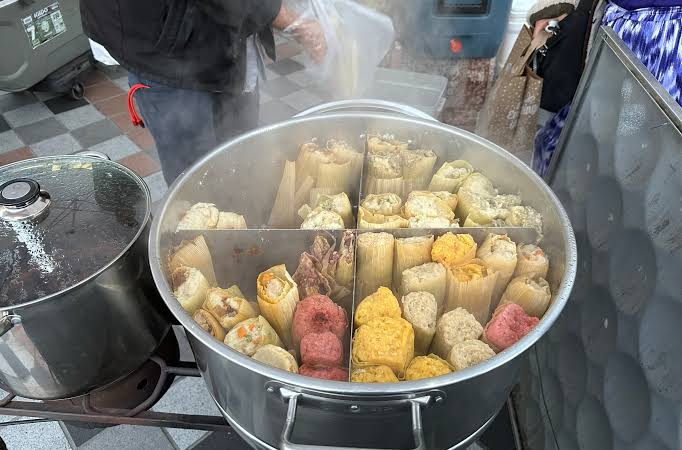
Tamal costeño is a dish where preparation strongly influences the eating experience. Freshly prepared versions can offer a more developed aroma, cohesive texture, and balanced seasoning. Conversely, a dish that has been stored too long may lose some of the qualities that make it appealing. For that reason, diners may want to ask about preparation schedules, especially when visiting smaller establishments. If tamales are prepared on particular mornings or around weekends and holidays, planning ahead can be worthwhile. Ultimately, freshness adds another layer to the connection between traditional cooking and the modern dining experience.
How People Enjoy It Today
Although tamal costeño has deep roots in traditional cooking, modern diners enjoy it in many settings. It can appear as a substantial breakfast, a convenient takeaway meal, or part of a larger Colombian spread shared among friends and family. Some restaurants present the dish alongside other coastal specialties, allowing newcomers to understand its place within a broader culinary tradition. Meanwhile, Colombian communities outside the Caribbean region have helped introduce these flavors to new audiences. As a result, the dish continues to travel while retaining the cultural associations that give it meaning.
A Dish That Connects Food and Memory
For many people, traditional dishes are remembered through sensory details rather than written recipes. The smell of leaves opening, the warmth of freshly cooked masa, and the familiar seasoning of a family preparation can bring back memories of particular places and occasions. That emotional dimension helps explain why regional dishes remain important even as food culture becomes increasingly global. Similarly, discovering tamal costeño in a new city can create a bridge between heritage and everyday life. The experience is not only about eating; it can also be about recognizing a story expressed through food.
What to Look For When Ordering
When choosing a local preparation, diners can pay attention to several practical details. First, check whether the menu identifies the dish specifically as tamal costeño rather than simply using the word tamal. Next, consider whether customers mention freshness, generous but balanced portions, and authentic coastal flavor in their reviews. It is also useful to notice whether the establishment specializes in Colombian cuisine or offers a broader menu. Finally, personal recommendations can be particularly valuable. Someone who grew up eating Caribbean Colombian food may notice qualities that a first-time diner could easily overlook.
Bringing the Coastal Experience to the Table
Part of the appeal of tamal costeño is the way it fits naturally into communal dining. Rather than treating it as an elaborate restaurant dish, diners can enjoy it casually with family or friends. Pairing it with complementary Colombian foods can also create a broader exploration of regional flavors. Additionally, sharing the dish gives newcomers an opportunity to compare different preparations and discuss what they enjoy about each one. This simple social dimension reflects an important characteristic of traditional cuisine: food often becomes more meaningful when it creates conversation, familiarity, and a reason for people to gather.
Why the Search Is Worth Making
The search for the best tamal costeño near me ultimately reflects something larger than convenience. It represents the growing curiosity people have about regional foods and the stories behind them. In an increasingly connected food culture, diners can encounter specialties far beyond their original communities, yet authenticity still depends on preparation, ingredients, knowledge, and cultural context. Tamal costeño demonstrates how a humble wrapped meal can carry history while remaining relevant to contemporary diners. Whether enjoyed for the first time or remembered from childhood, it offers a flavorful reminder that culinary traditions can travel without losing their sense of place.
Conclusion: More Than a Meal
The best tamal costeño near me may begin as a simple online search, but the discovery can lead somewhere much richer. Behind the masa, filling, seasoning, and wrapping lies a tradition shaped by Colombian coastal culture, family practices, and communal dining. Moreover, every restaurant or local cook may bring a slightly different interpretation to the table. That variation is part of the charm. For curious diners, finding a well-prepared tamal costeño is therefore an opportunity to experience regional food not merely as something to eat, but as a living expression of memory, identity, hospitality, and cultural continuity.