Introduction: best chairo soup near me and the Search for Something Comforting
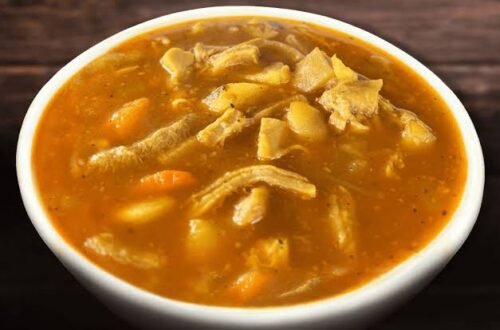
best chairo soup near me is more than a search for a bowl of hot food. For many diners, it represents a desire to discover something nourishing, unfamiliar, and deeply connected to culinary tradition. Chairo soup is associated with Nepalese food culture and is often appreciated for its warm, savory character and comforting qualities. Moreover, searching for it locally can become an opportunity to explore restaurants, family-run kitchens, and regional menus that introduce diners to flavors they might otherwise overlook.
Understanding Chairo Soup Beyond the Menu
Chairo soup has an intriguing place within the broader landscape of Himalayan-inspired cooking. Although recipes can vary depending on the cook and location, the dish is generally approached as a hearty soup with a satisfying balance of ingredients and seasoning. Consequently, there may not be one universally standardized version served everywhere. Instead, individual restaurants can interpret the dish according to their culinary traditions, available ingredients, and house style. That variation is part of what makes exploring chairo soup locally particularly interesting.
What Makes a Bowl Worth Seeking Out?
When someone searches for best chairo soup near me, quality usually matters more than simply finding the closest restaurant. A memorable bowl should feel balanced rather than overwhelmingly salty or heavily seasoned. The broth should have depth, while the accompanying ingredients should retain their character instead of becoming lost in the liquid. Furthermore, temperature and freshness can significantly influence the experience. A carefully prepared soup arrives warm and inviting, creating the kind of meal that feels restorative, especially on a cool or rainy day.
The Cultural Appeal of Himalayan Comfort Food
Food often carries stories that extend beyond individual ingredients. Himalayan cuisines reflect geography, climate, migration, family traditions, and adaptation. Therefore, soups can hold particular emotional significance because they provide warmth and nourishment in environments where hearty meals have long been important. When diners encounter chairo soup outside Nepal or Himalayan communities, they are also encountering a small expression of that broader culinary heritage. Exploring such dishes respectfully allows restaurants and diners alike to keep lesser-known food traditions visible.
How to Explore Local Menus With Curiosity
Finding a promising bowl requires a little more attention than simply choosing the first search result. First, examine the restaurant’s menu and determine whether the dish is currently available. Menus can change, particularly when restaurants adjust ingredients or seasonal offerings. Next, look at recent customer feedback for comments about flavor, portion size, freshness, and service. However, reviews should be treated as personal experiences rather than absolute judgments. Finally, if the menu description is unclear, asking staff about the soup can provide useful insight into how their kitchen prepares it.
Ingredients, Texture, and the Character of the Broth
A soup’s personality comes from the relationship between its broth, seasoning, texture, and accompanying ingredients. Chairo soup can therefore feel different from one restaurant to another. One preparation may emphasize a rich savory base, while another may offer a lighter and more delicate profile. Likewise, vegetables, herbs, spices, or other additions can change the overall character. As a result, diners should approach each bowl as its own interpretation rather than expecting every restaurant to produce an identical recipe.
Why Local Discovery Matters
The popularity of searches such as best chairo soup near me reflects a wider change in the way people discover food. Instead of relying exclusively on familiar national chains, diners increasingly use local searches to find distinctive dishes and independent restaurants. This shift benefits culinary diversity because it gives smaller establishments an opportunity to introduce their traditions to new audiences. Moreover, a neighborhood restaurant can become a gateway to an entire cuisine, encouraging customers to return and try dishes beyond the one that initially caught their attention.
Choosing Between a Quick Lunch and a Relaxed Meal
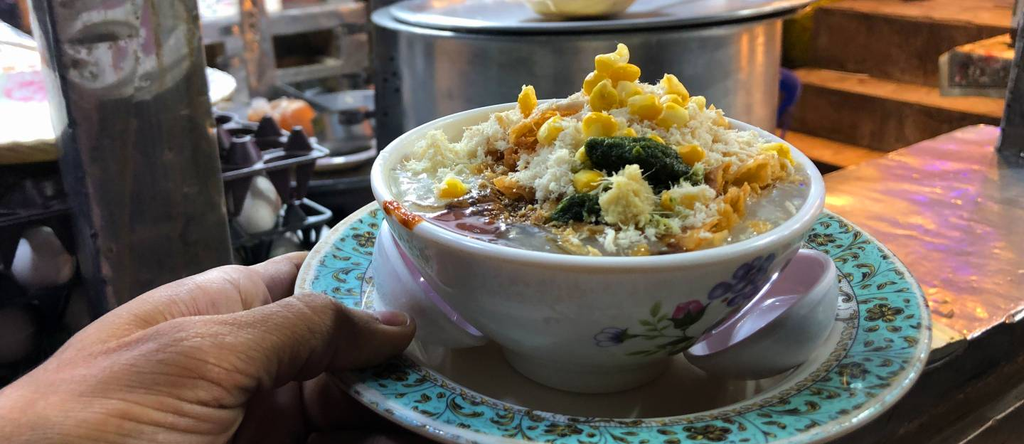
The same soup can create very different experiences depending on the occasion. During lunch, a bowl may serve as a practical, warming meal between daily responsibilities. In the evening, however, it can become part of a slower dining experience accompanied by other Himalayan dishes. Consequently, the best choice depends not only on the soup itself but also on the atmosphere of the restaurant. A quiet dining room may encourage conversation, while a casual neighborhood setting can make the meal feel spontaneous and relaxed.
A Simple Guide to Evaluating Your First Bowl
| What to Notice | Why It Matters |
|---|---|
| Broth | Reveals much of the soup’s seasoning and overall depth |
| Freshness | Helps preserve the character of individual ingredients |
| Texture | Adds contrast and makes the bowl more satisfying |
| Aroma | Provides an early impression of herbs and spices |
| Balance | Prevents one flavor from dominating the entire dish |
| Portion | Determines whether the soup works as a snack or full meal |
Rather than searching for perfection, diners can use these qualities to understand what they personally enjoy. In fact, discovering a preferred version can be part of the pleasure of exploring local food.
The Human Side of a Bowl of Soup
There is something inherently social about soup. It is served hot, shared at tables, and frequently associated with moments when people want comfort rather than spectacle. For restaurants serving Himalayan cuisine, a traditional soup can also become a way of introducing customers to a culture through an approachable dish. Meanwhile, diners bring their own memories and expectations to the experience. Thus, a simple bowl can create a meaningful meeting point between culinary tradition and contemporary local dining.
Questions Worth Asking Before Ordering
If the dish is unfamiliar, a short conversation with restaurant staff can make the experience more rewarding. Ask how the soup is prepared, what ingredients are central to the recipe, and whether the restaurant’s version follows a particular regional tradition. Additionally, ask about spice intensity if that is important to your preferences. Such questions are not merely practical; they can reveal the story behind the menu and help diners understand why the restaurant prepares the dish in a particular way.
Why Comfort Food Keeps Bringing People Back
Modern dining often celebrates novelty, presentation, and elaborate culinary techniques. Nevertheless, comfort food remains powerful because it answers a simpler need: the desire to feel satisfied and cared for. A warm bowl of soup can provide that experience without requiring ceremony. In this sense, chairo soup belongs to a much larger global tradition of dishes that bring warmth and familiarity to the table. Its appeal lies not only in flavor but also in the emotional atmosphere created by a hot, nourishing meal.
The Search Is Part of the Experience
Ultimately, finding best chairo soup near me should not be viewed solely as a hunt for a highly rated restaurant. It can be an invitation to explore a culinary tradition, support local food businesses, and become more adventurous about unfamiliar dishes. Because recipes and restaurant interpretations differ, the search itself may lead to unexpected discoveries. One neighborhood establishment might offer a delicate preparation, while another could present a bolder interpretation. That diversity gives local dining its character.
Conclusion: Discovering Meaning in an Unfamiliar Bowl
The search for best chairo soup near me begins with a simple appetite but can end with a much richer discovery. Chairo soup offers diners a chance to explore Himalayan culinary traditions through warmth, flavor, texture, and hospitality. Moreover, the experience demonstrates why local food culture remains so valuable: every restaurant can tell a slightly different story through its menu. Ultimately, the most memorable bowl may not simply be the closest or most popular one. It may be the bowl that introduces a new flavor, sparks curiosity, and makes an ordinary meal feel unexpectedly meaningful.