Georgian pkhali near me is more than a search for a dish; it is an invitation to explore one of Georgia’s most distinctive culinary traditions. Made primarily from vegetables, herbs, nuts, and seasonings, pkhali reflects a cuisine that values texture, balance, and generous flavor without relying on heavy preparation. For diners discovering Georgian food for the first time, pkhali can be an especially interesting introduction because it combines simple ingredients with deeply layered tastes and an unmistakable sense of place.
Why Pkhali Has Become a Georgian Food Favorite
Pkhali occupies an unusual and appealing place in Georgian cuisine. Rather than being one fixed recipe, it is better understood as a family of vegetable-based preparations. Spinach, beetroot, eggplant, beans, and other ingredients can become the foundation, while ground walnuts, garlic, herbs, vinegar, and Georgian spices provide the character.
Moreover, pkhali is often served in small portions, making it naturally suited to sharing. A restaurant might present several varieties together, creating a colorful arrangement that encourages diners to compare flavors. Consequently, people searching for Georgian pkhali near me are often looking for an experience that goes beyond ordering a single entrée.
What Makes Authentic Pkhali Taste Different?
The defining quality of pkhali comes from its contrast of flavors and textures. Vegetables provide freshness and substance, while walnuts contribute richness and a slightly earthy character. Garlic adds sharpness, herbs bring brightness, and acidic elements help keep the mixture lively rather than heavy.
Furthermore, Georgian cooking has a strong tradition of combining ingredients that might seem simple individually but become complex when brought together. Pkhali demonstrates this beautifully. Its flavor can be savory, nutty, tangy, herbal, and mildly spicy at the same time.
When exploring Georgian pkhali near me, diners should therefore pay attention not only to the main vegetable but also to the seasoning mixture. Two versions using different vegetables can taste surprisingly distinct while still belonging to the same culinary tradition.
A Colorful Plate With a Cultural Story
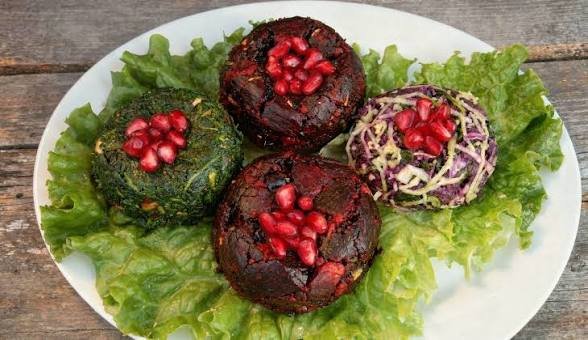
One reason pkhali stands out on a Georgian table is its appearance. Different versions may be shaped into small rounds or presented as colorful portions, sometimes finished with pomegranate seeds or fresh herbs. The result is visually striking without being overly elaborate.
However, the beauty of pkhali is not simply decorative. Georgian meals traditionally place considerable importance on hospitality and shared dining. Small dishes allow guests to taste several preparations while remaining part of a communal meal. Therefore, pkhali fits naturally into the social rhythm of Georgian cuisine.
This is also why ordering several varieties can make a restaurant visit more rewarding than choosing only one. The differences in color, texture, acidity, and seasoning reveal the versatility of the tradition.
Popular Pkhali Varieties to Look For
Restaurants can interpret pkhali differently, but several varieties are particularly recognizable. Spinach pkhali is often fresh and herbal, with the vegetable working alongside a rich walnut mixture. Beet pkhali offers an earthier profile and a vivid color, while eggplant versions tend to be softer and more substantial.
Bean-based preparations can provide a deeper, heartier texture. Meanwhile, versions featuring other greens may emphasize freshness and acidity.
| Pkhali Style | Typical Character | What Makes It Interesting |
|---|---|---|
| Spinach | Herbal and fresh | Light vegetable flavor with nutty seasoning |
| Beetroot | Earthy and slightly sweet | Vibrant color and balanced acidity |
| Eggplant | Soft and rich | More substantial texture |
| Bean | Hearty and savory | Dense, satisfying character |
Because recipes vary by restaurant and region, the exact flavor should not be treated as standardized. Instead, variation is part of what makes the dish interesting.
How to Find Georgian Pkhali Near Me
Finding a good local version begins with identifying restaurants that specialize in Georgian or broader Caucasian cuisine. Search results can be useful, but menus deserve closer attention. A restaurant that lists multiple Georgian dishes is more likely to offer a meaningful selection than a venue carrying only one or two items.
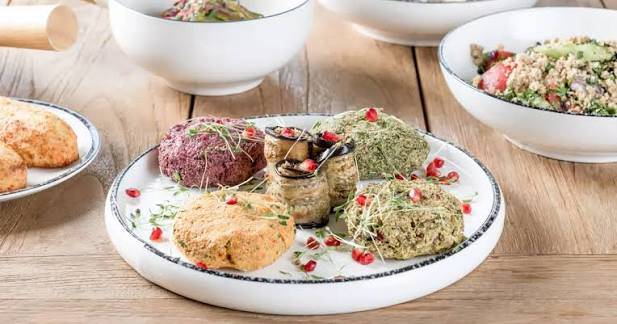
In addition, photographs can sometimes reveal whether pkhali is served traditionally as part of a larger spread. Customer reviews may also mention freshness, seasoning, portion size, and presentation.
If the menu lists several pkhali varieties, that can be an encouraging sign. Likewise, restaurants that emphasize Georgian cooking rather than simply labeling dishes as vaguely “Eastern European” may provide more context and variety.
The Best Way to Experience Pkhali
Pkhali is particularly enjoyable when treated as part of a meal rather than an isolated appetizer. Georgian tables often work through contrasts: fresh vegetables beside breads, rich sauces beside acidic preparations, and small dishes beside larger shared plates.
For first-time diners, ordering a selection of pkhali can create a useful introduction to the cuisine. Start with two or three varieties and compare them. Notice which preparation is more herbal, which has stronger walnut flavor, and which has the brightest acidity.
Furthermore, sharing the dishes encourages conversation. Food becomes something to discuss and discover together, rather than simply something consumed quickly.
What to Pair With Pkhali
Pkhali can sit comfortably alongside other Georgian specialties. Fresh Georgian breads can provide a neutral, satisfying accompaniment, while grilled meats can add a smoky contrast to the vegetable preparations. Pickled vegetables and other small plates can also complement the acidity and nuttiness of pkhali.
For a broader Georgian meal, diners might build a table around several shared dishes rather than ordering individual courses. This approach reflects the communal character associated with Georgian dining and gives each preparation room to contribute something different.
Why Pkhali Appeals to Modern Diners
There is also a contemporary reason pkhali has attracted attention beyond Georgia. Modern diners increasingly appreciate vegetable-centered foods that are flavorful without depending on complicated cooking techniques. Pkhali fits naturally into that interest.
Its combination of vegetables, nuts, herbs, and spices provides substantial flavor while keeping the ingredients recognizable. At the same time, its variety makes it suitable for people who enjoy exploring unfamiliar cuisines.
Nevertheless, its appeal should not be reduced to modern food trends. Pkhali has a long-standing place within Georgian food culture, and its continued popularity reflects the strength of a culinary tradition capable of adapting to different tables and tastes.
A Small Dish That Opens the Door to Georgian Cuisine
Searching for Georgian pkhali near me can ultimately lead to much more than a particular menu item. It can become a first encounter with Georgia’s approach to hospitality, shared meals, vegetables, herbs, walnuts, and carefully balanced flavors.
Pkhali demonstrates how a dish can be modest in ingredients yet expressive in character. Its colorful presentation catches the eye, but its combination of textures and seasonings gives it lasting appeal. More importantly, it encourages diners to slow down, share several tastes, and appreciate the relationship between food and culture.
For anyone exploring Georgian cuisine locally, pkhali is therefore an excellent place to begin. It offers variety on a single plate and, in doing so, provides a flavorful glimpse into one of the world’s most distinctive culinary traditions.